








LIGHT UP YOUR LIMITS
09 Oct, 2026
Nearly Two Decades of Choice: A Reliable Light for Every Outdoor Mission

For over forty years, caving and archaeology have remained the lifelong passions of 61-year-old engineer Vanja Janežič. This hobby, which took root in his teenage years, has stayed with him all his life and been passed down to his two daughters. When exploring deep caves and unearthing ancient relics, a rugged, high-performance headlamp is essential. Having stood the test of time and harsh field conditions, Fenix headlamps have accompanied him on countless underground expeditions and archaeological tasks, witnessing how this shared passion lives on across two generations.
I began caving during my first year of secondary school in 1979 and spent several years exploring caves intensively. Later, family responsibilities and a steady career took priority, but both caving and archaeology remained lifelong passions. Even when I could not actively pursue them, my interest never faded.
Later, my eldest daughter developed the same love for caving and archaeology when she entered secondary school. To join her on cave explorations and expeditions, I decided to get myself well-equipped again. I set out to look for a tough, dependable headlamp built for cave environments.
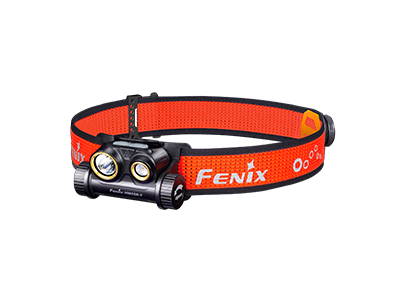
Reliability and long runtime are non-negotiable for caving gear. Deep underground, no one wants to rely solely on a backup light. After thorough research and reading numerous reviews, I chose the Fenix HP30R.
Years have passed, and this headlamp has endured heavy use and harsh conditions in countless caves — yet I still use it today. It is not only reliable and easy to operate, but also works wonderfully for photography. I take photos mainly to document our underground discoveries, and this Fenix headlamp has become an indispensable tool for the job.
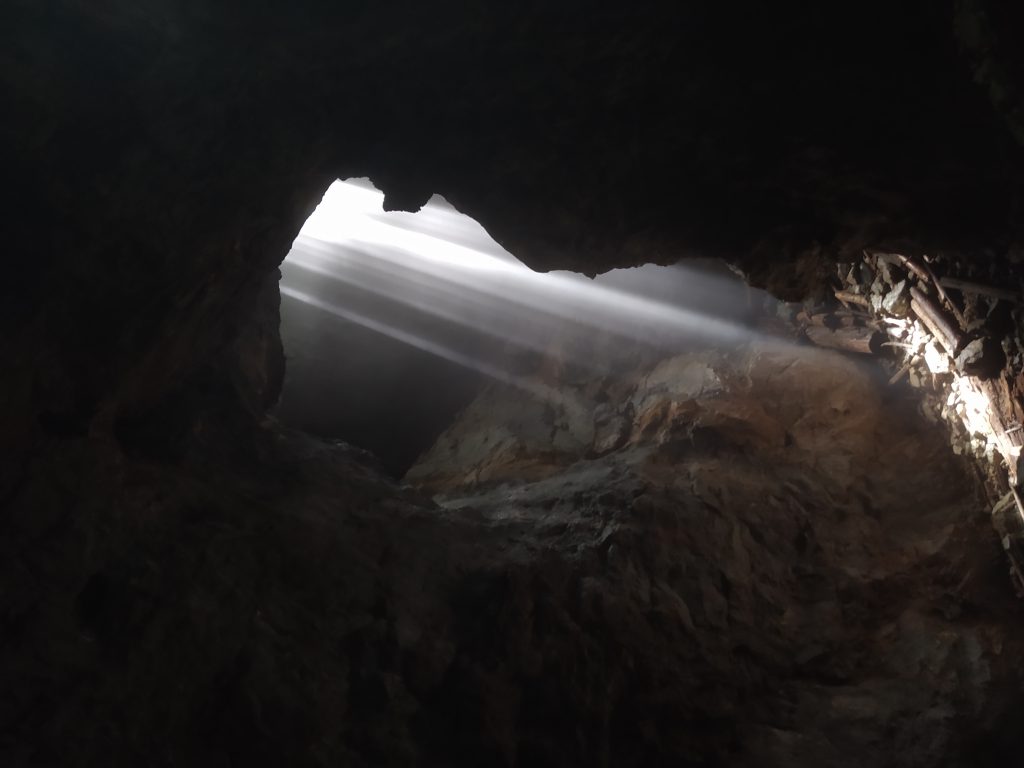
I have accompanied my daughter on many exploration trips. She has grown into a dedicated cave archaeologist and discovered a host of previously unknown archaeological sites. One of the most extraordinary finds was a small cave hidden deep in Slovenia’s forests, where we uncovered multiple burial sites dating back to the late 3rd century AD. Ancient people had turned this natural cave into a tomb, laying their loved ones to rest here. Several passages and chambers were carefully sealed with dry-stone walls.
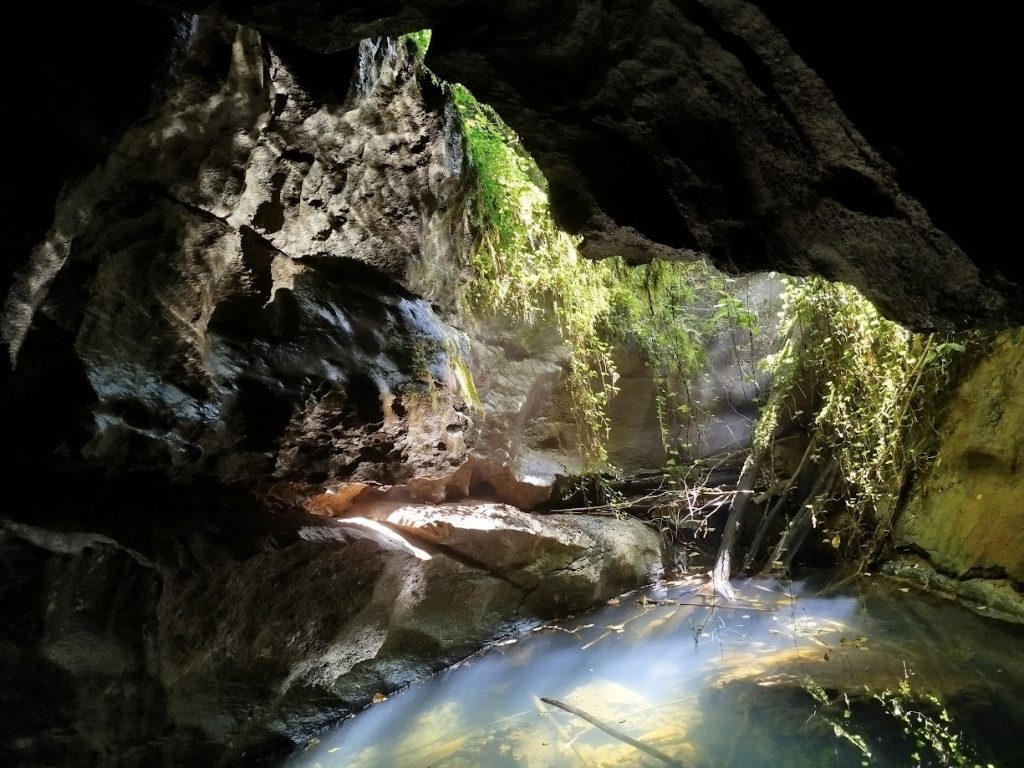
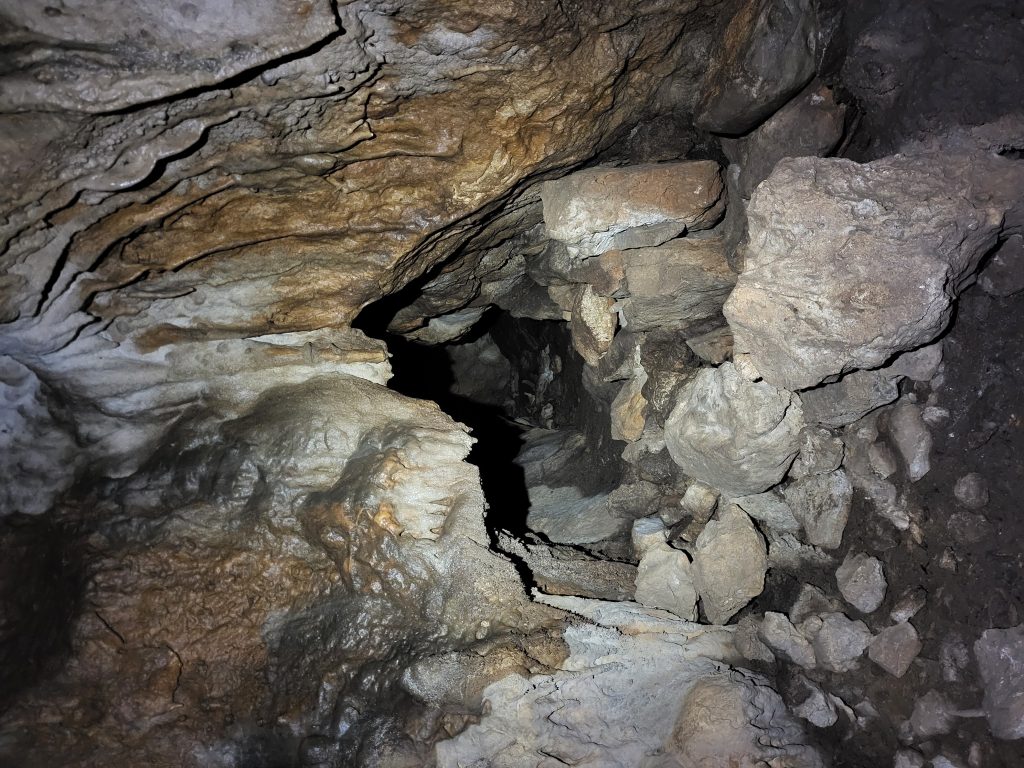
Exploring such a historic site is an unforgettable experience. We move with extreme caution, afraid to disturb anything and cause damage. Good lighting is vital for archaeological work, and so is a deep sense of respect. Standing there, you realize you are not just visiting an underground space. You are stepping into someone’s final resting place, a mere passerby among history.
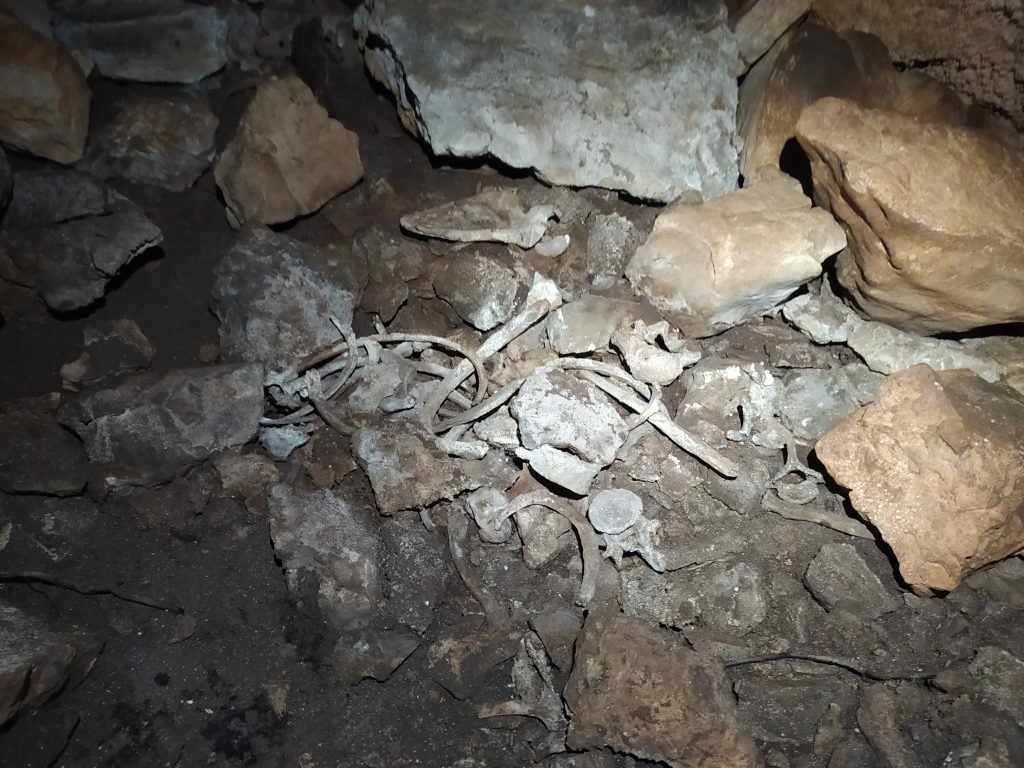
As the years pass, I am becoming older and less flexible. Yet now my younger daughter, a biologist, is beginning her own journey into the world of caving. When she asks for equipment recommendations, a Fenix lamp is still my first choice.
We often have to deal with very sublime or minuscule traces of the past that are hard to see. And many steps and combinations of light Fenix offers is a feature we need. One can then combine just the right amount of light. Extra-long runtime is also a bonus.
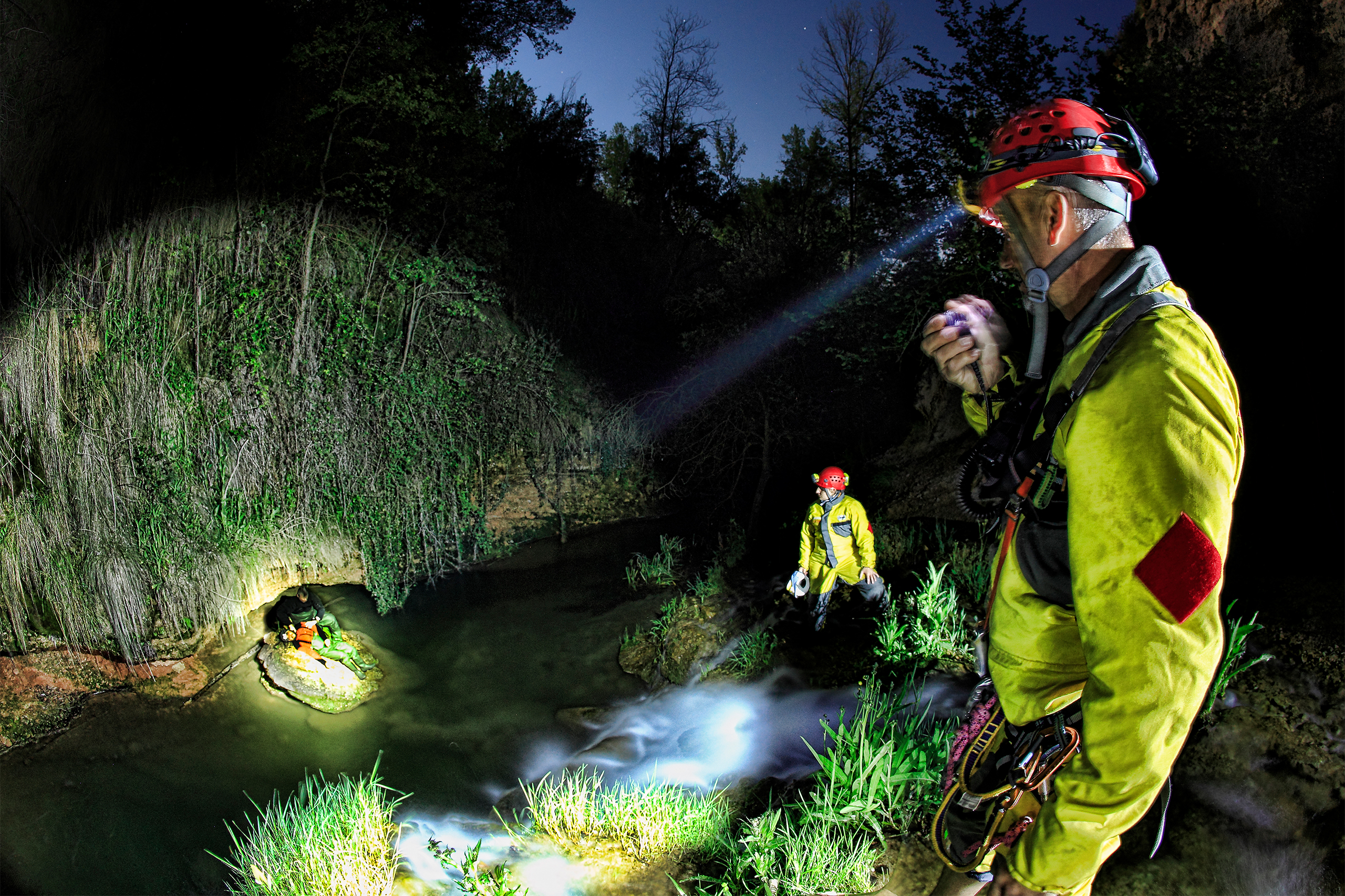
I have attached some photos taken in the cave my daughter explored. This site turns out to be a previously undiscovered Mithraeum, an underground temple dedicated to the god Mithra. In one picture, you can see me wearing a Fenix headlamp on my helmet. Another photo shows how precisely we can adjust the light level. The red box on the back of the helmet is a mobile LIDAR system I designed, which has no connection with the Fenix headlamp. The third photo was shot using only the Fenix headlamp as the light source, with no camera flash.
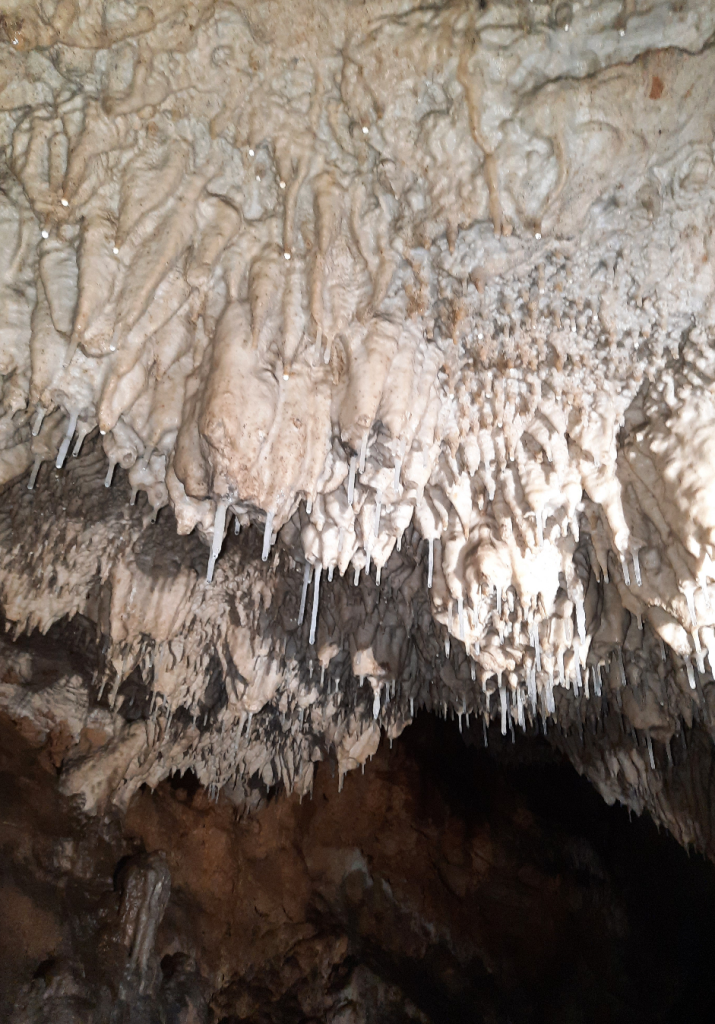
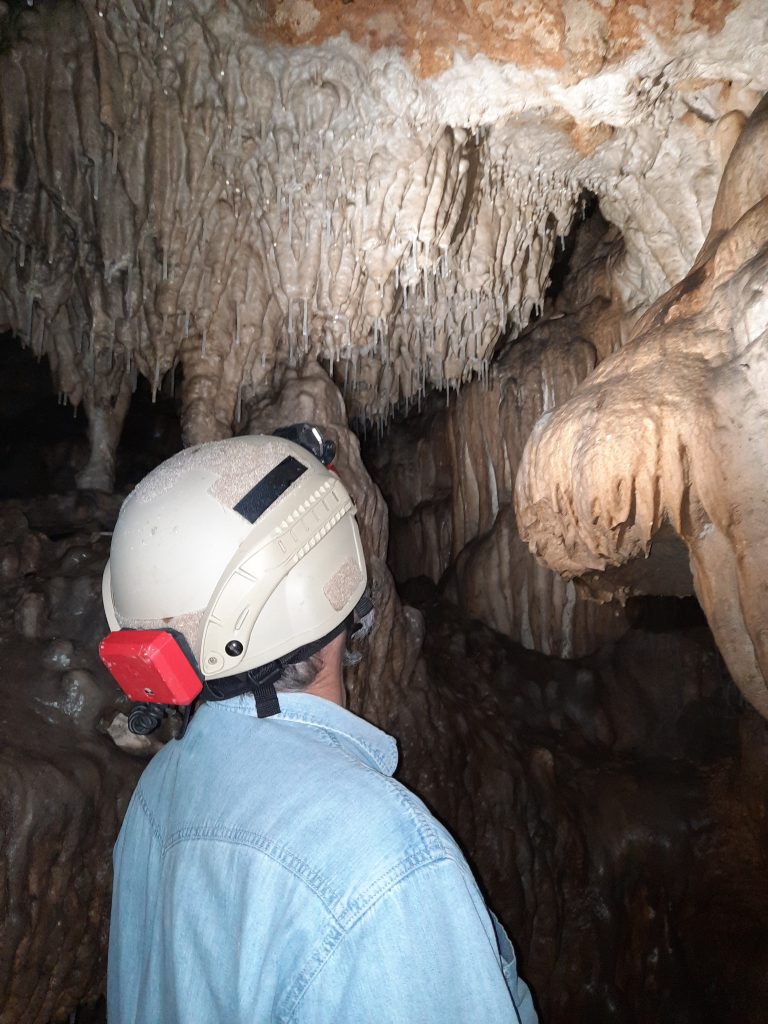
Ultimately, I would highly recommend Fenix headlamps to any researcher working underground. Interestingly, my daughter picked another more expensive headlamp with poorer performance instead. Anyone who has a teenage daughter will surely understand that young people rarely take their parents’ sensible advice as their first choice.
Nearly Two Decades of Choice: A Reliable Light for Every Outdoor Mission
Light Lights the Long Trail, Sincerity Awaits Every Rider: A Cross-Border After-Sales Service Earns My Lifelong Trust in Fenix
636 Nautical Miles Away: A Fenix Journey Offshore

Circling Day and Night, Encounter the Northern Lights
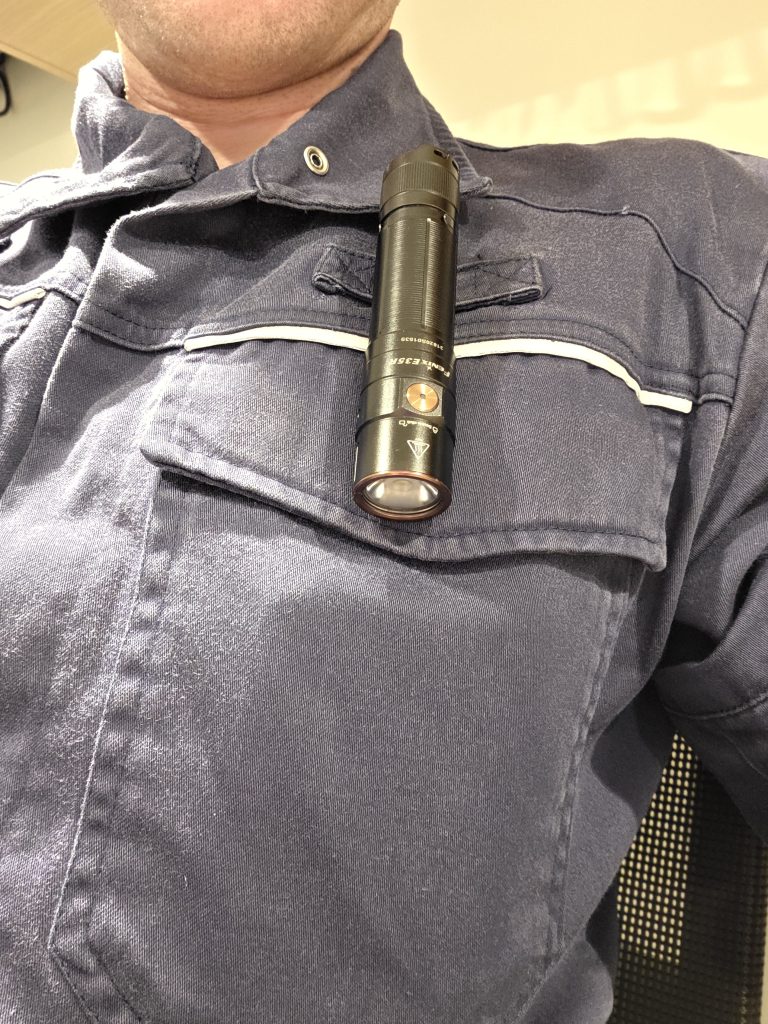
The Spotlight of the Engine Room: How One Fenix Conquered an Ocean Liner
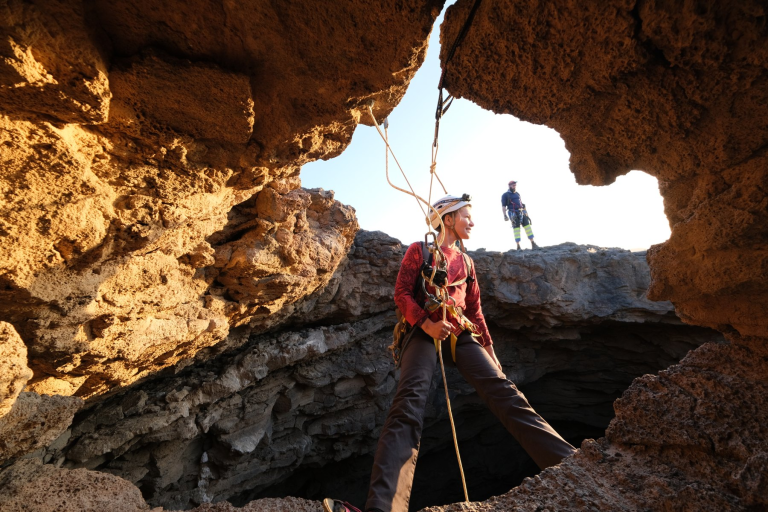
Into the Lava Caves of Saudi Arabia: A Light into the Unknown