



LIGHT UP YOUR LIMITS
09 Oct, 2026
Nearly Two Decades of Choice: A Reliable Light for Every Outdoor Mission

From Australia’s biodiverse wilderness to the rainforests of Borneo, 24-year-old Alec Karcz has embarked on countless night hikes in search of rare wildlife. As a passionate nature lover and future zoology researcher, he relies heavily on dependable lighting for outdoor exploration. Let’s hear his personal story about using the Fenix HM70R.
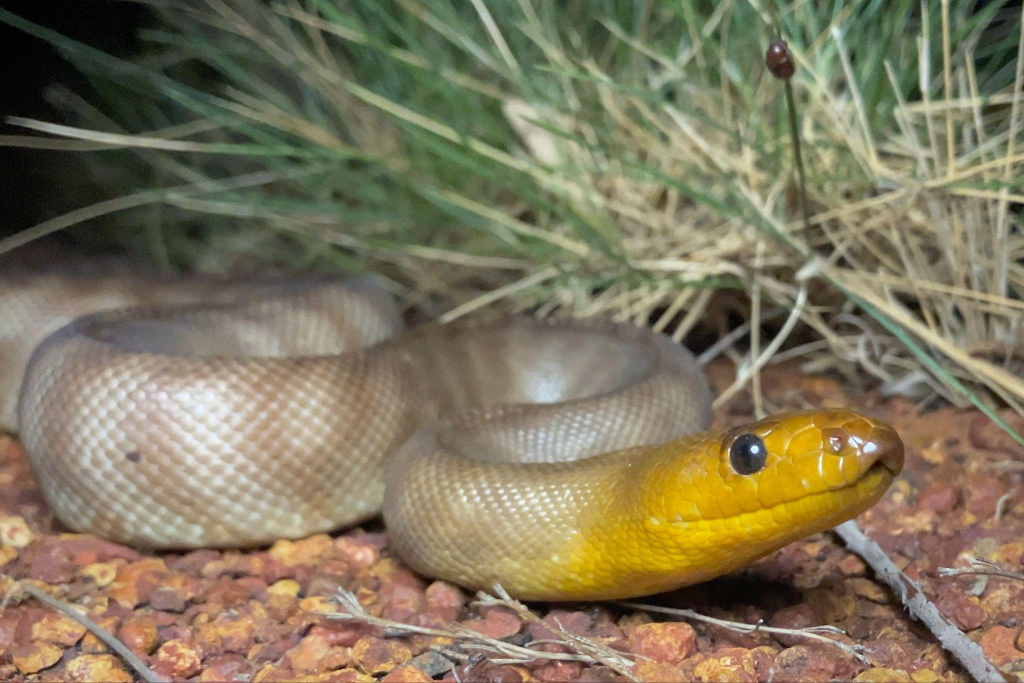
My name is Alec Karcz, and I’m 24 years old. I spent my childhood growing up in the United States before moving to Australia back in January 2021, and this year in 2026, I made another big move and settled in Sweden. Throughout all these years and across different countries, one passion of mine has never changed: I’m obsessed with learning about, tracking down, and photographing wildlife of all kinds. I’ve set a lifelong goal for myself—to document as many animal species around the world as I possibly can. I am not quite a professional photographer or naturalist, but I have planned several trips on my own, with my partner, and with my friends solely for the purposes of finding and photographing wildlife across Australia and in the USA. At the moment, I am on my journey to become a researcher. There are countless incredible species waiting to be discovered globally, so I know this passion will always keep me driven and fulfilled for years to come.
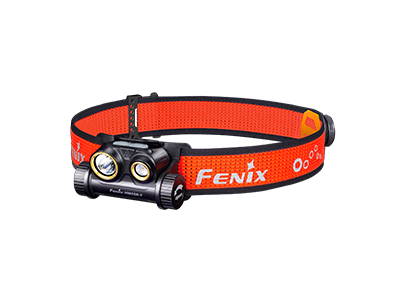
My journey with Fenix started during my time living in Townsville. The entire Australian continent boasts incredibly rich biodiversity, and the Townsville area is no exception, but a large majority of the species are nocturnal, which was the initial reason I needed a headlamp. It couldn’t be just any headlamp, it had to be comfortable, affordable, light (not bulky), and had to last 6-8 hours on night hikes in a variety of conditions. I was in a bit of a pickle - it seemed like there were hundreds of options and it felt overwhelming, so I turned to friends and asked them what they used and how happy they were with it. To my surprise, several people recommended the same headlamp to me and were seemingly very content with it——the Fenix HM70R.
After my purchase in August 2023, I became almost inseparable from this headlamp, as funny as that sounds. It was a huge improvement from a handheld torch, being able to have my hands free while exploring at night was a revelation. I would go out several nights a week to look for wildlife all over Townsville, even while studying in university, and would always bring this headlamp. And there are a few unforgettable experiences that made me truly appreciate how exceptional this headlamp is.
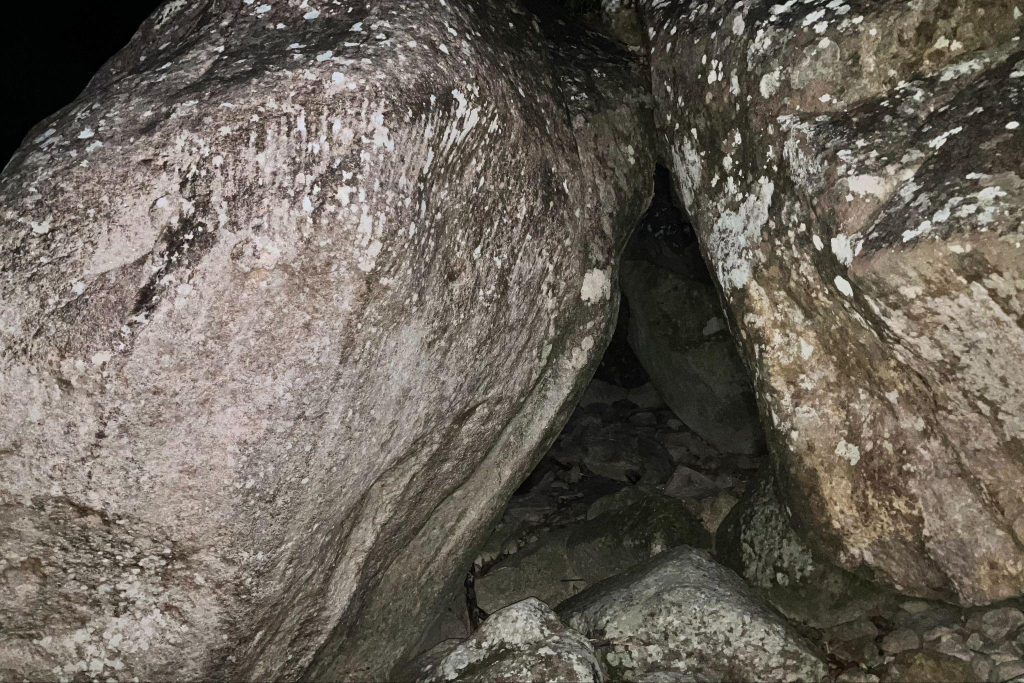
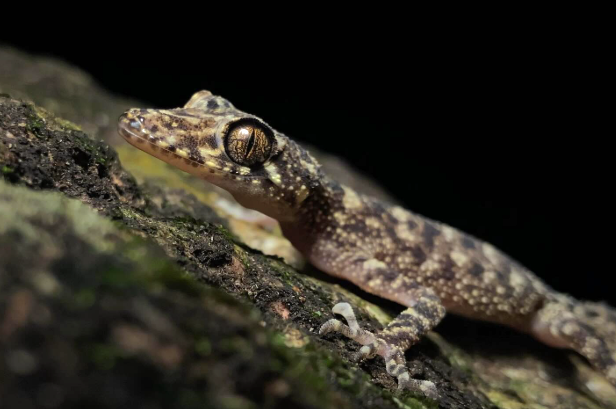
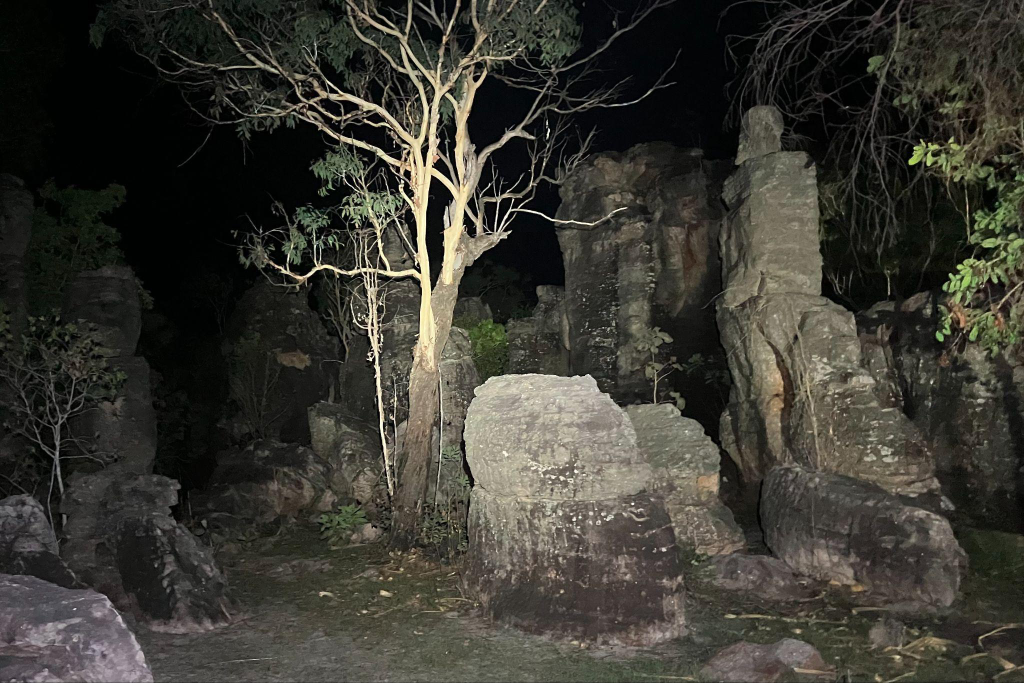
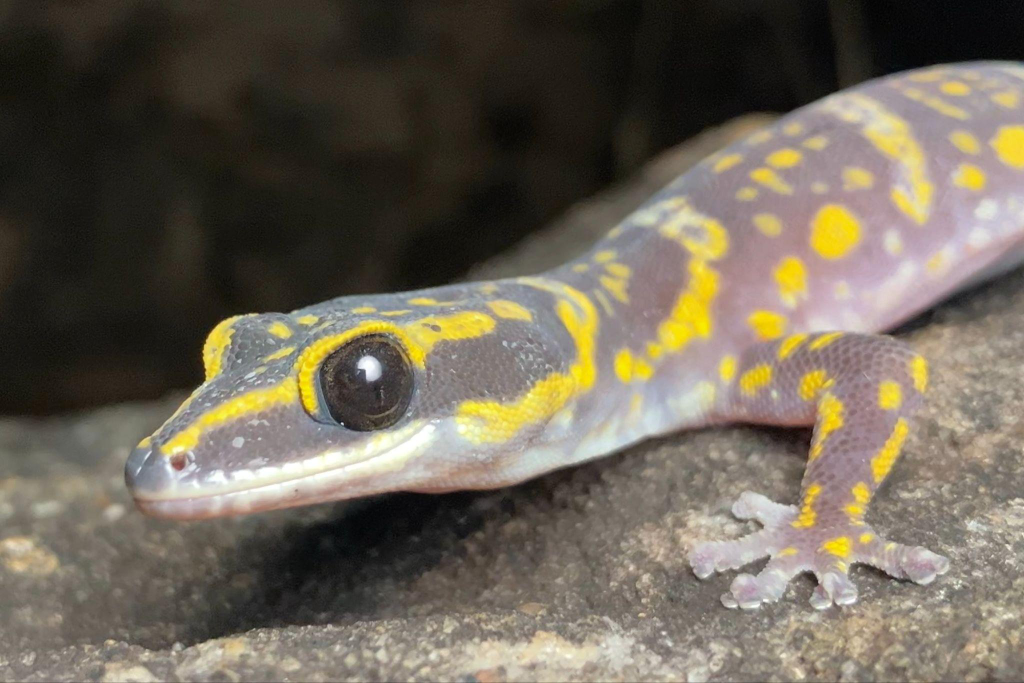
One of my most memorable experiences took place on multiple night hikes up Mount Elliot, an ecological treasure located at the southern tip of Queensland’s Wet Tropics. Due to the nature of the region’s geography, it is isolated from the rest of the wet tropics by a large, dry area (Townsville). This isolation has led to the evolution of several endemic species found only on Mount Elliot, one of these being the Mount Elliot leaf-tailed gecko (Phyllurus amnicola). This large, distinctive gecko is endemic to Mount Elliot, and only lives in humid areas with very large boulders and caves. When my friends and I learned about this species, we were naturally drawn to the mountain to go and find it. It took three attempts before we found our first one, as we did not really know what we were doing! As time went on, we became better and better at finding them and knew exactly which habitats to look for, and eventually we started taking friends to see these incredible geckos. I think I have done that hike at least 8-10 times. The trek to reach their range is long and strenuous…there is no trail for most of it…and it wouldn’t have been possible without a reliable headlamp like the Fenix HM70R. This beast of a headlamp was very light, but would easily last the entire night on one battery, which was extremely important when trying to carry as little as possible. The beam function was perfect for spotting the eyeshines of these geckos far away (and other animals), and on top of this, I used the floodlight function as a static light in a diffuser to photograph them. So for me, the Fenix HM70R kills two birds with one stone, per se!
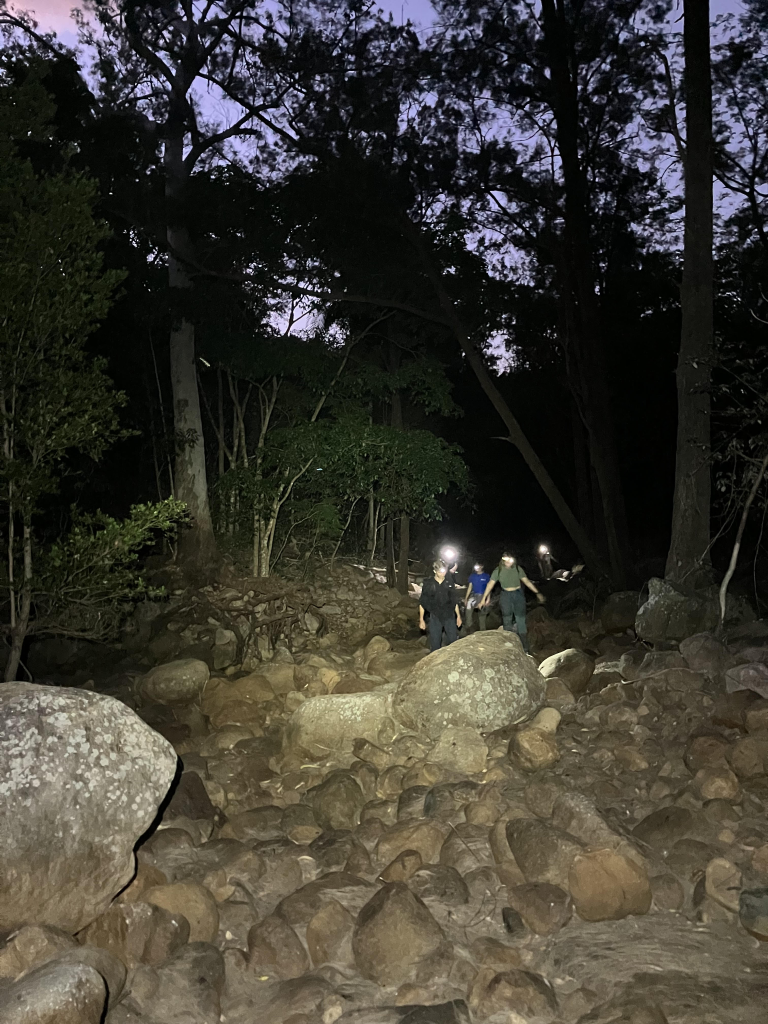
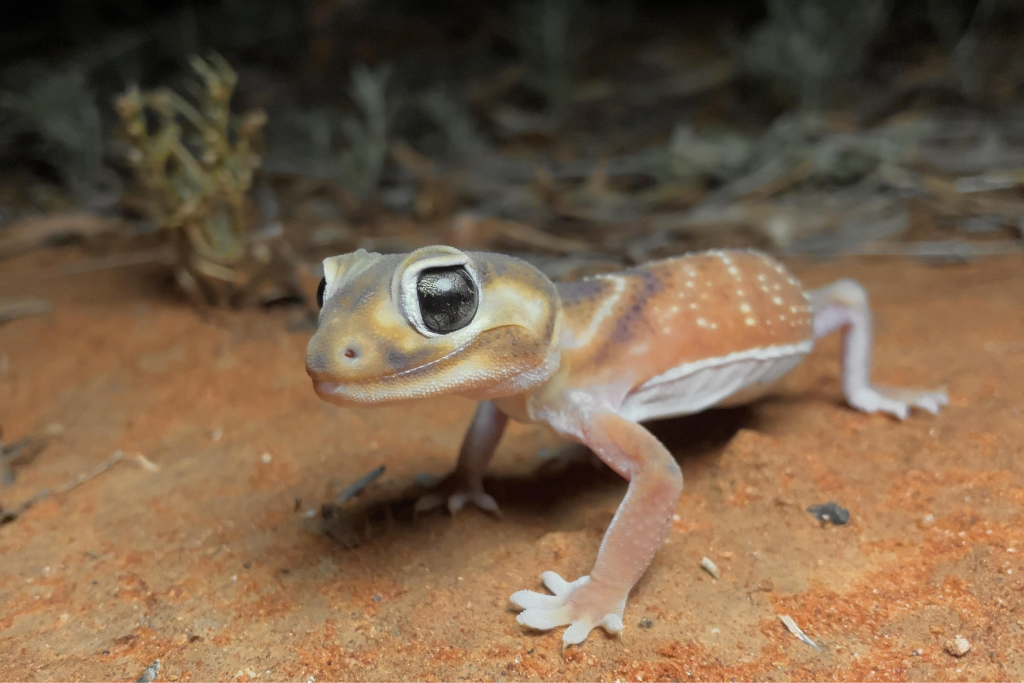
I also got to push the headlamp to its limits during an 11-day cross-state wildlife trip across the Northern Territory, which was the most ambitious outdoor adventure I’ve ever planned together with three of my friends. We set off from Townsville, drove all the way to Darwin, passed through Windorah, and circled back to our starting point. It was incredible, and we saw close to 100 new species to us…a solid number of reptiles, amphibians, birds, and mammals that don’t also occur in Townsville. All four of us had a Fenix HM70R, and they were invaluable. We would pretty much stay up all night outside looking for wildlife and our headlamps never failed us. It was very hot, and very dusty, but the HM70R’s held up thanks to their wonderful build design! They were also very easy to charge in the car with a cord as we drove between locations.
For university, we had a course that involved spending two weeks at a remote field station in the rainforest of Bornean Malaysia. There was no air conditioning, so it was hot and humid pretty much constantly. Furthermore, it would rain very often, including while we were outside doing fieldwork or looking for wildlife. A couple friends and I also stayed in Borneo for two weeks after the course to explore and search for wildlife, eliciting the need for a very good headlamp. One night on Mount Kinabalu, it started absolutely pouring down with rain and we had to walk over an hour back. Thankfully, the Fenix HM70R is waterproof with an IP68 rating, and thus, it kept me lit up and seeing well at night, even during the numerous tropical rainstorms throughout this trip! It’s thanks to this headlamp that I was able to see so many incredible species in Borneo.
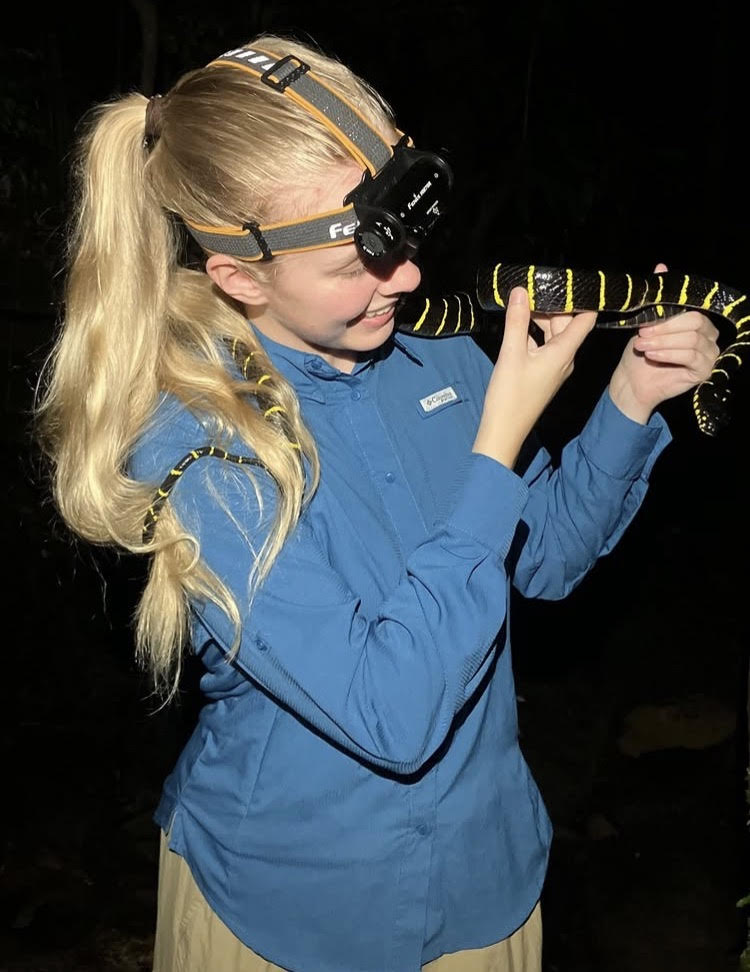
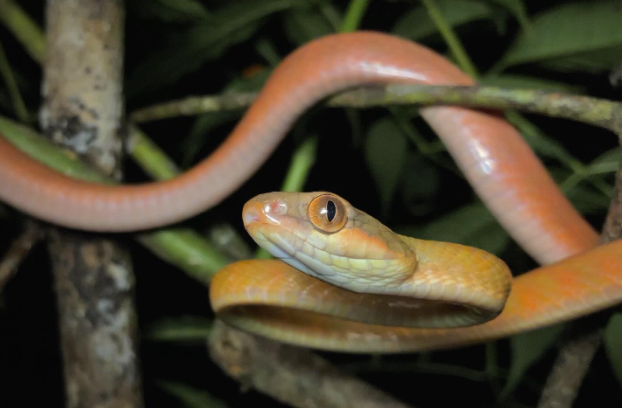
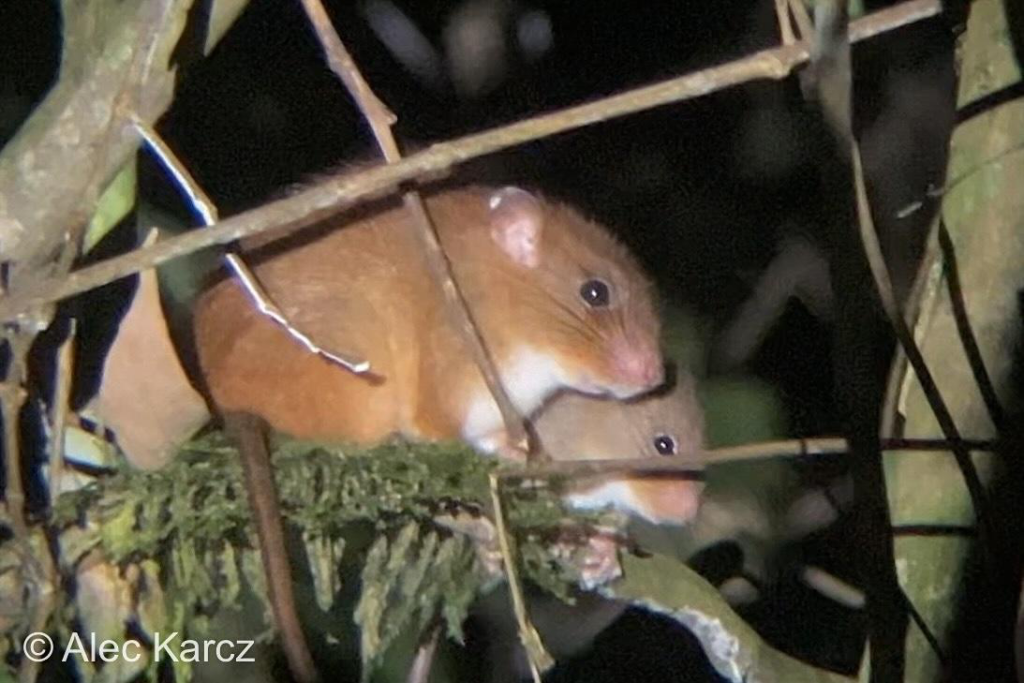
This headlamp was my constant daily companion throughout my four years living in Australia. Now that I’ve relocated to Sweden, I’ll admit I’m a little saddened that I haven’t gotten to use it nearly as often. There is still wildlife to explore here, yet the biodiversity simply cannot compare to Australia’s tropics, and I haven’t gotten the chance to head out for night excursions since my move. I truly miss those late tropical nights, trekking through the wilderness with my friends, chasing rare reptiles and all sorts of amazing creatures side by side with our Fenix headlamps. I hope I can get back to this hobby soon.
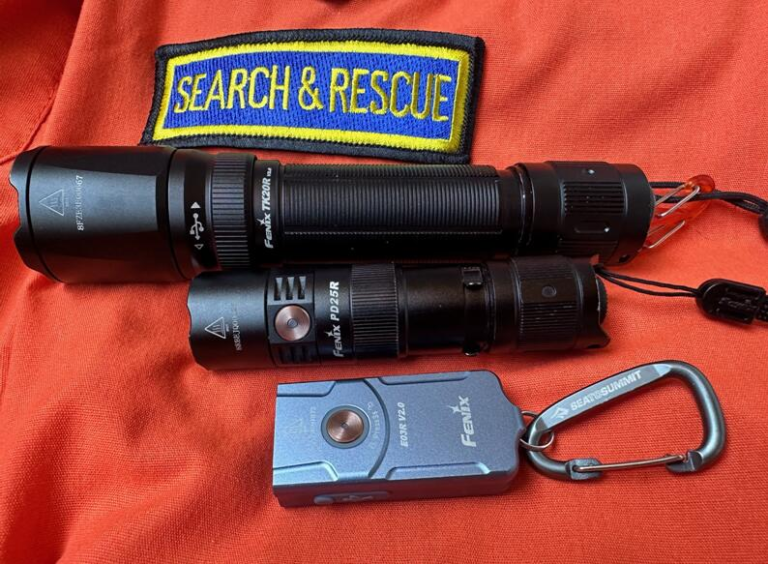
Nearly Two Decades of Choice: A Reliable Light for Every Outdoor Mission
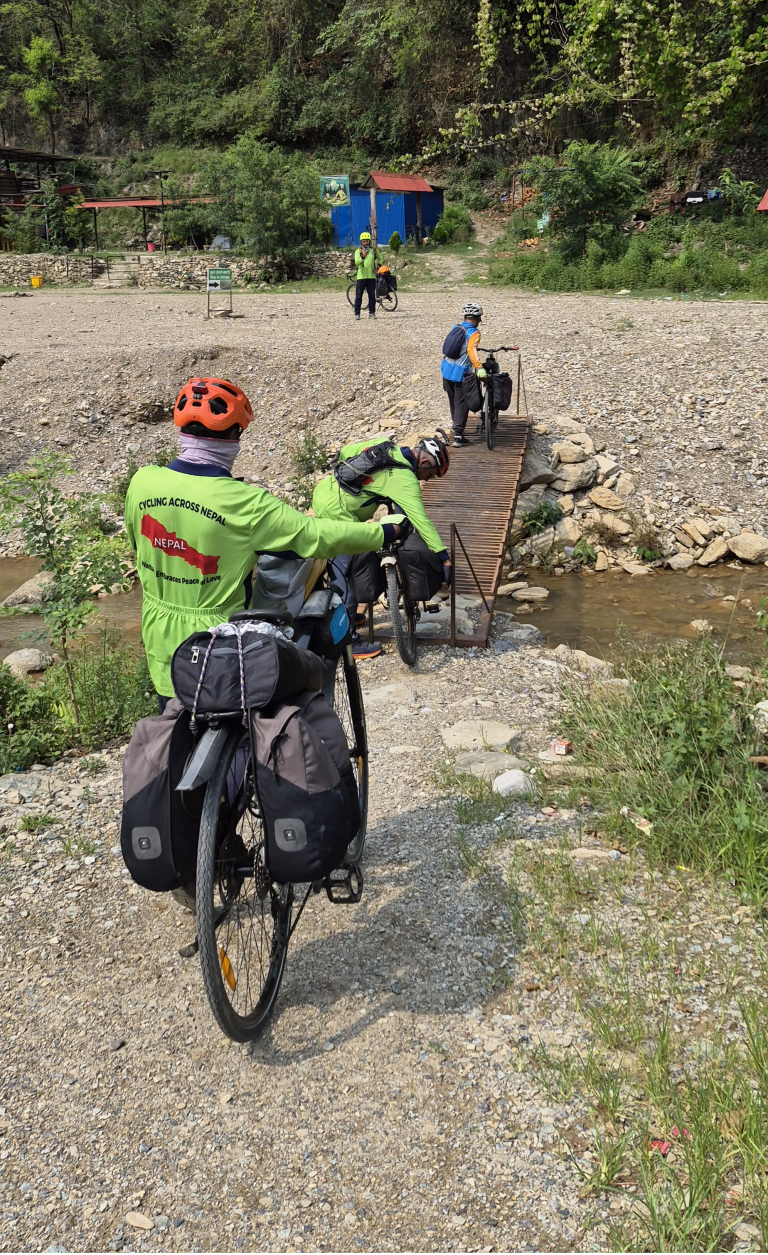
Light Lights the Long Trail, Sincerity Awaits Every Rider: A Cross-Border After-Sales Service Earns My Lifelong Trust in Fenix
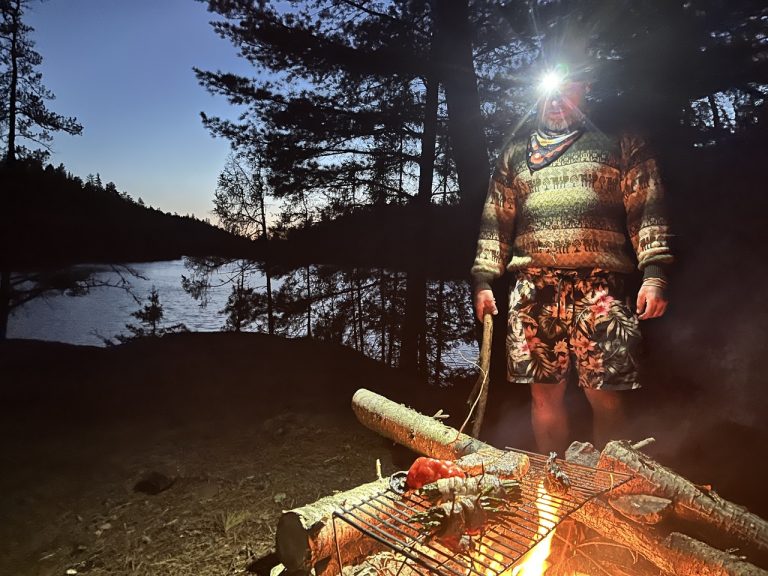
636 Nautical Miles Away: A Fenix Journey Offshore
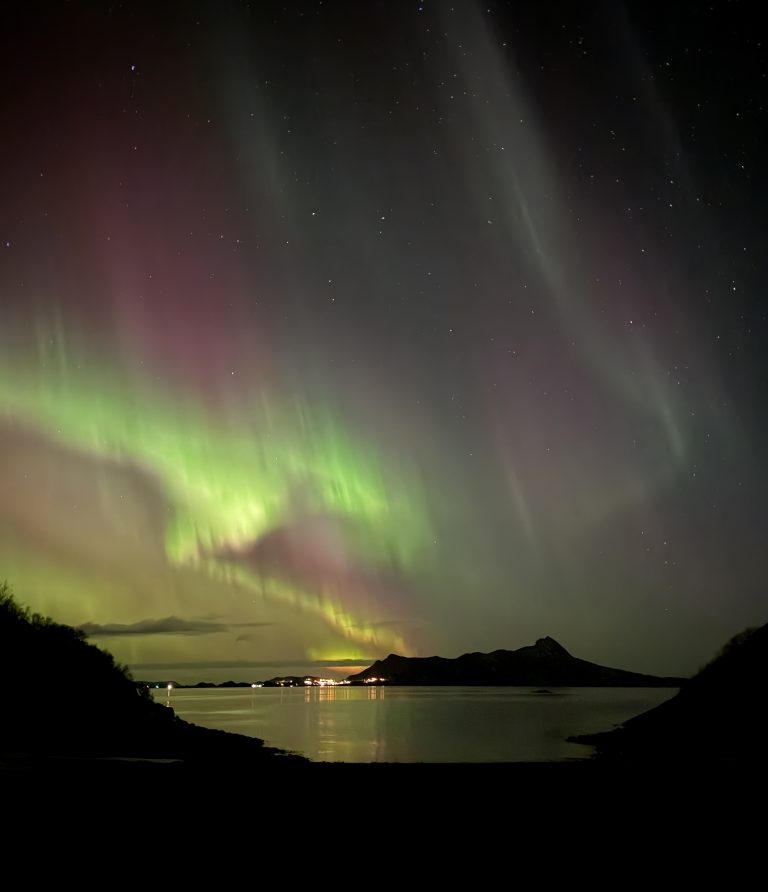
Circling Day and Night, Encounter the Northern Lights
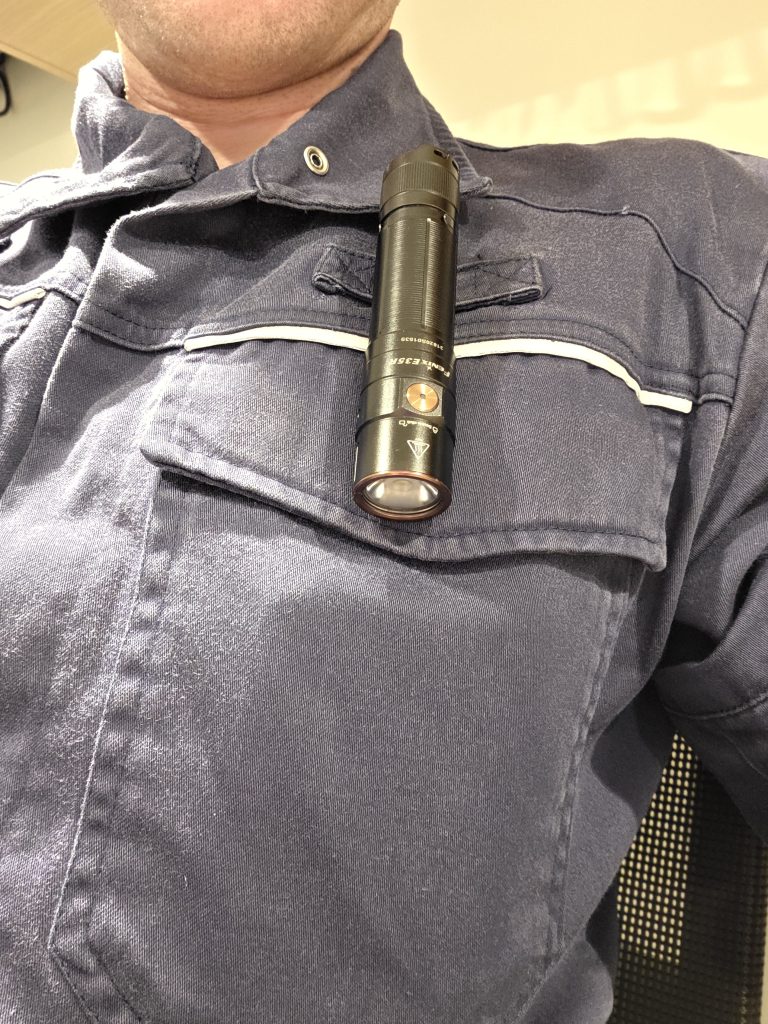
The Spotlight of the Engine Room: How One Fenix Conquered an Ocean Liner
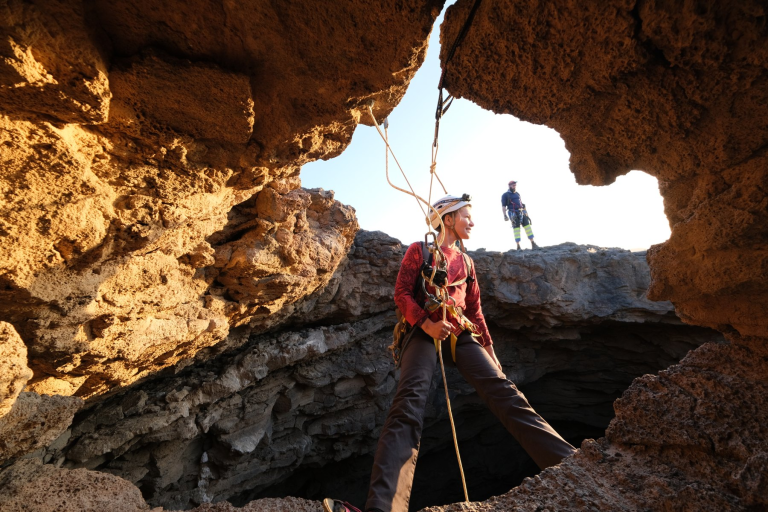
Into the Lava Caves of Saudi Arabia: A Light into the Unknown