




LIGHT UP YOUR LIMITS
09 Oct, 2026
Nearly Two Decades of Choice: A Reliable Light for Every Outdoor Mission
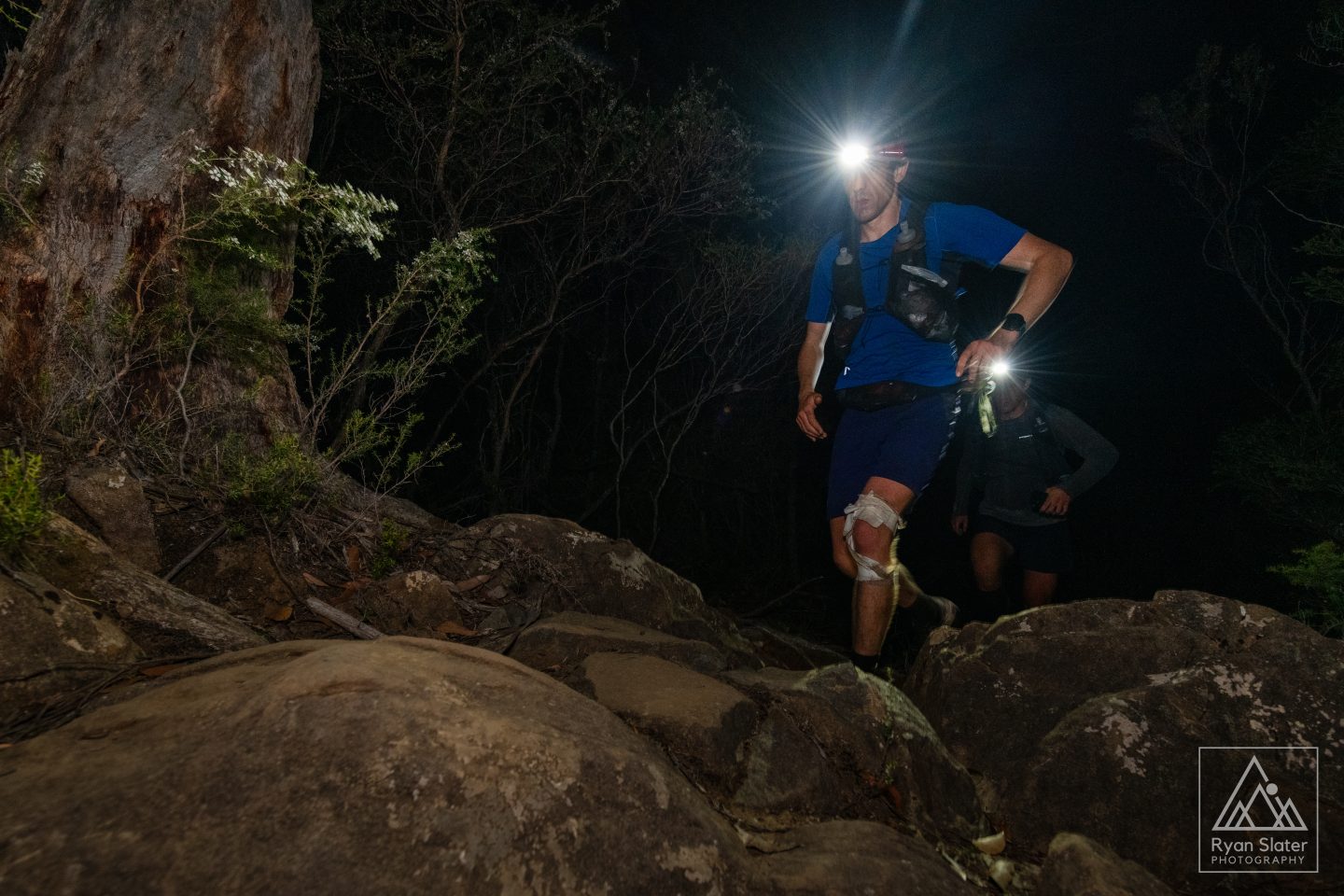
Trail runner Piotr Babis now lives in Fortescue Bay, Tasmania, working both as a park ranger and a professional outdoor guide. He quietly takes on some of Australia’s toughest Fastest Known Time (FKT) routes. From the South West Traverse to overland tracks, Piotr holds a straightforward philosophy: stay humble, seek adventure, and respect the wilderness.
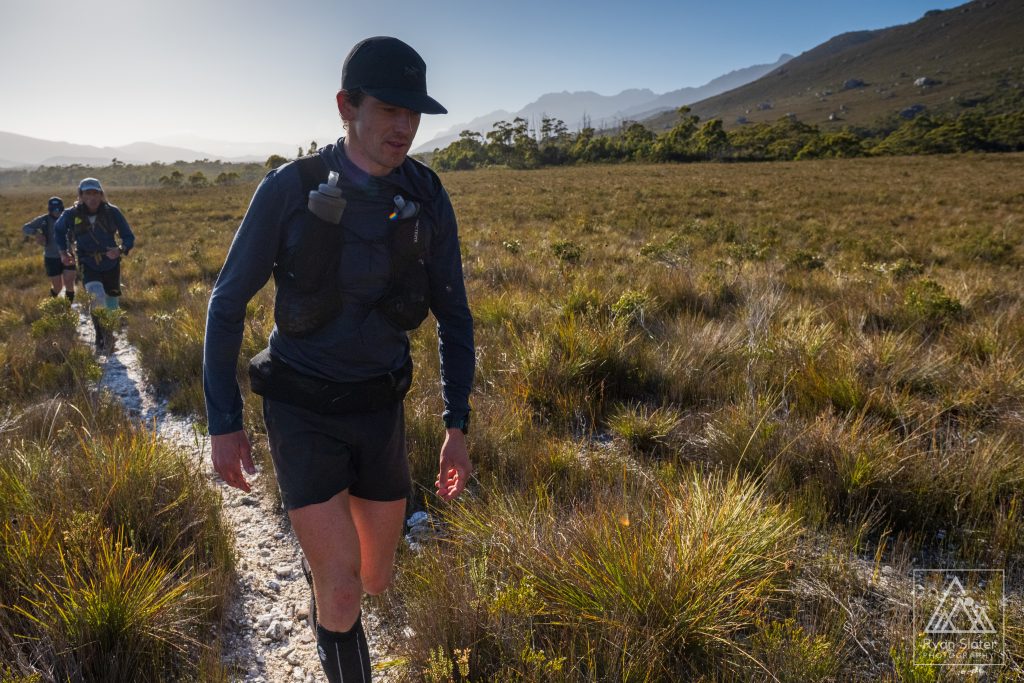
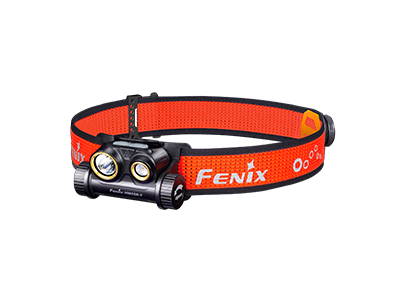
I have lived in Tasmania for the past eight years, working as an outdoor guide and park ranger. Trail running is my long-time passion. A few years ago, I received my first Fenix headlamp, the HM62-T, as a gift. It has proven incredibly useful for my work and travels, Head torch is currently my daily run partner. Winter days in Tasmania are very short, and it's usually dark by the time I finish work at a Ranger.
In summer I work as a guide. Work days on Overland Track are quite long- at least 12h. In order to complete my training I need to go for a run early mornings or late at nights. Both those jobs require a reliable torches to keep my runs safe and enjoyable.
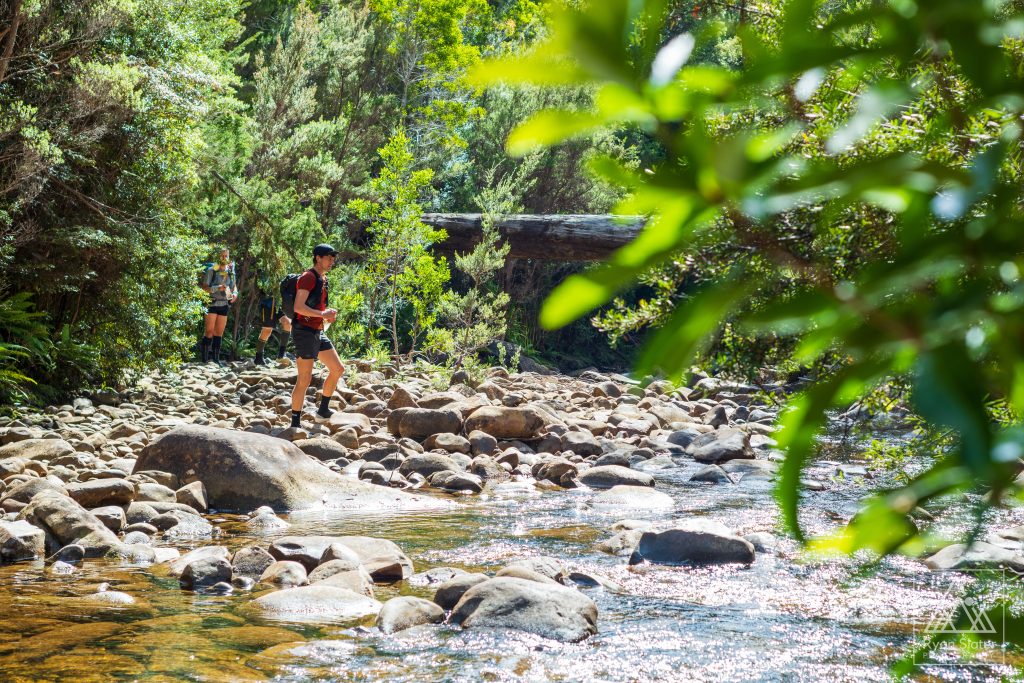
The Tasmania South West Traverse is the longest continuous hiking route across the region. It combines four classic multi-day trails: the Eastern Arthurs, Western Arthurs, Port Davey Track and South Coast Track. The full course stretches 240 kilometres with a total elevation gain of 12,000 metres. It is widely regarded as one of the most demanding outdoor routes in Australia. The terrain is harsh with endless steep slopes and muddy ground. Large sections are overgrown where the original trails have vanished, putting outdoor enthusiasts’ overall capabilities to the ultimate test.
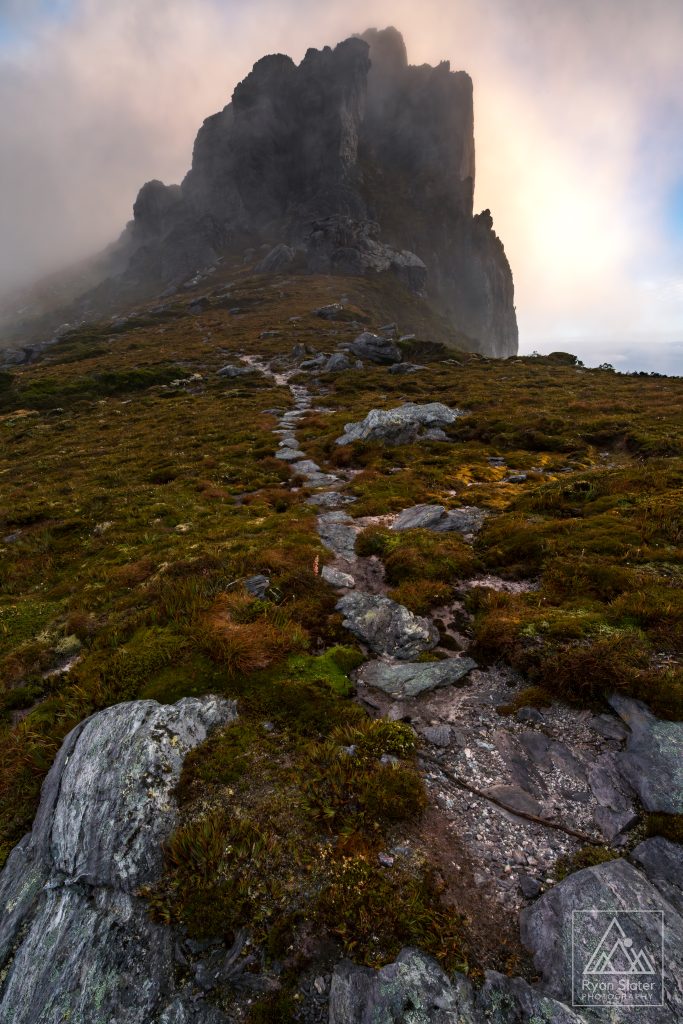
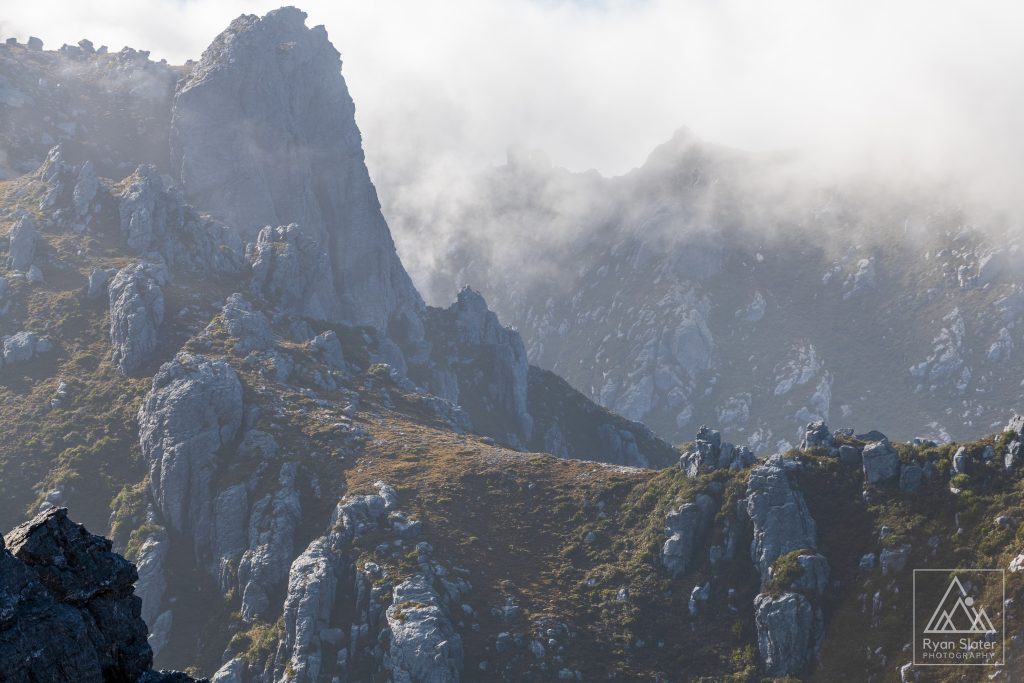
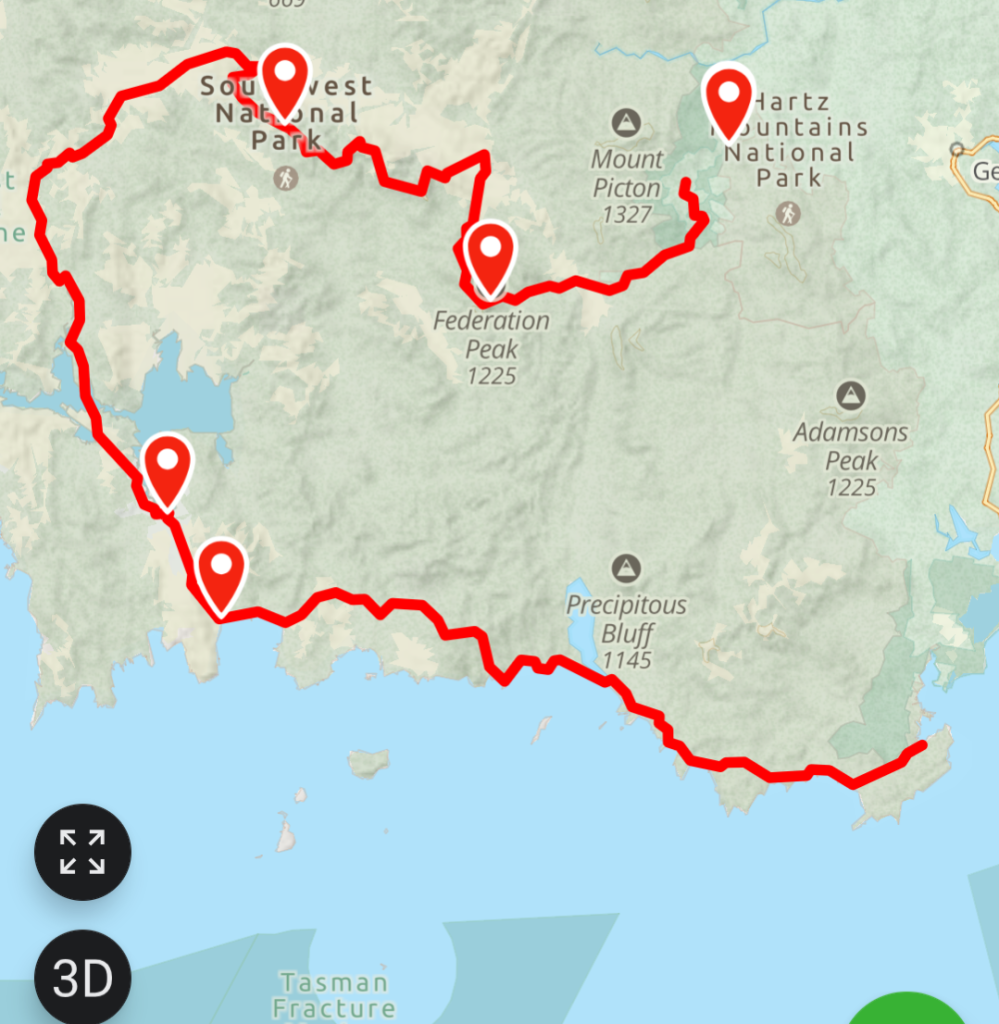
I have been planning to take on this traverse for years, yet endless chores kept me from committing. After finishing the King of the Hill race, I completed a full cycle of systematic training and reached my peak fitness. I knew it was finally time to set off.
An extreme challenge like this demands not only physical strength, but also thorough logistics and proper gear. Night hiking is inevitable over multiple days, so reliable lighting was my top priority. I needed a headlamp with enough runtime to get me through several nights of intense activity. I stuck with my trusted Fenix HM62-T. I know its performance inside out: it delivers consistent runtime, features easy battery replacement, and offers 1200 lumens of bright light, more than enough for route finding in dense bushland and long-distance trail running. That is why I chose it as my key lighting gear for this challenge.
Tasmania experienced terrible weather this summer, with frequent extreme conditions. Snow even fell on high-altitude areas around Christmas. I originally planned to reconnoitre the route in November and December to get familiar with difficult sections, but nearly every weekend was hit by bad weather. After multiple adjustments and weather assessments, we finally set our departure date for January 24th. Fortunately, the weather held up well on the day, giving us a great start.
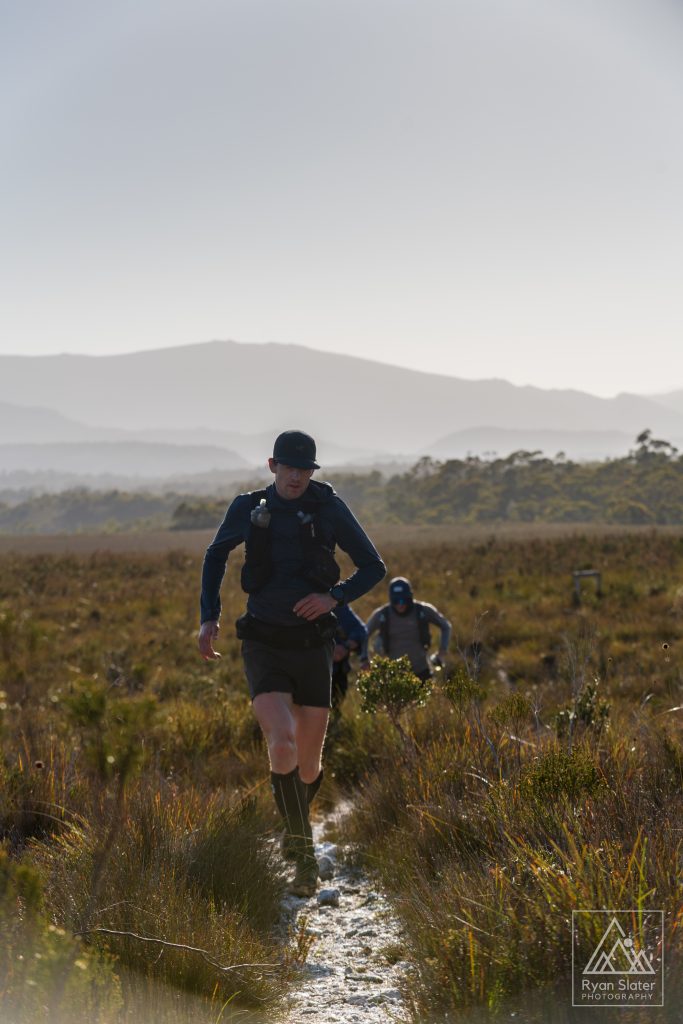
We started at 9:30 a.m. For typical multi-day overnight challenges, I usually leave at five or six in the morning, but that would mean camping at the trailhead. To get a good night’s rest in Hobart beforehand, we decided to push back the start time. We headed straight for Federation Peak and arrived a few hours before sunset. This section is extremely dangerous and has seen several accidents in recent years.
After sunset, we continued along the latter part of the Eastern Arthurs and enjoyed a stunning sunset view on the way down. Although night travel meant missing out on some scenery, it is unavoidable on multi-day journeys. Around 3 a.m., we reached the start of the Western Arthurs, the most thickly vegetated part of the entire route. Travelling here after dark was incredibly tough. The trails were completely swallowed by bushes, and we had to force our way through dense scrub. Our legs were constantly scratched and cut open.
Route finding became our biggest struggle, as hardly any trace of the original path remained. The four of us relied on headlamps and maps to figure out the way. We knew we were on the right track, yet there was no visible trail at all, slowing our progress to a crawl. We navigated using offline maps on our phones and GPS tracks on our sports watches. We kept straying from the main route and had to circle back repeatedly, inching forward step by step. Headlamps also helped with navigation during the night boat crossing.
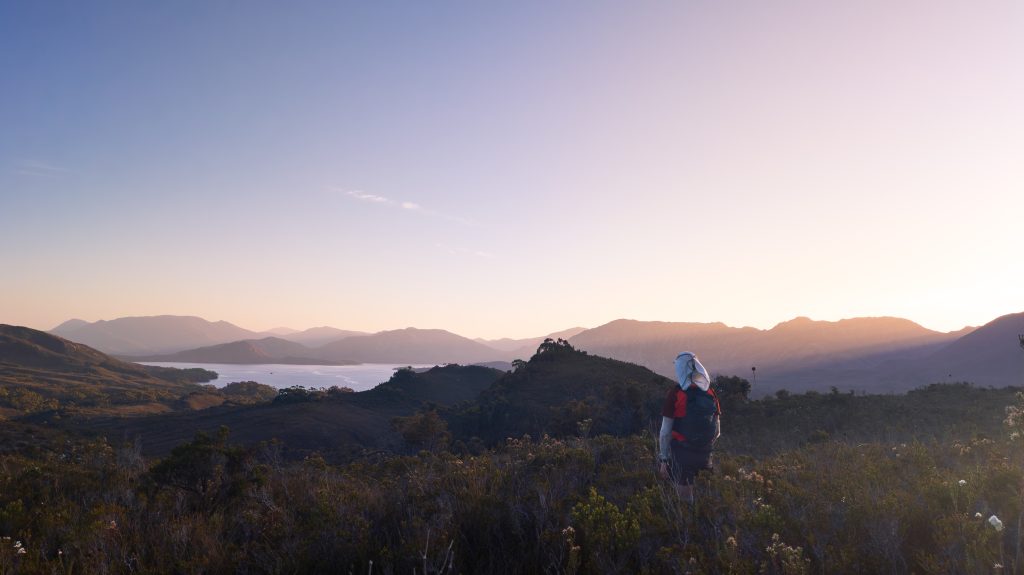
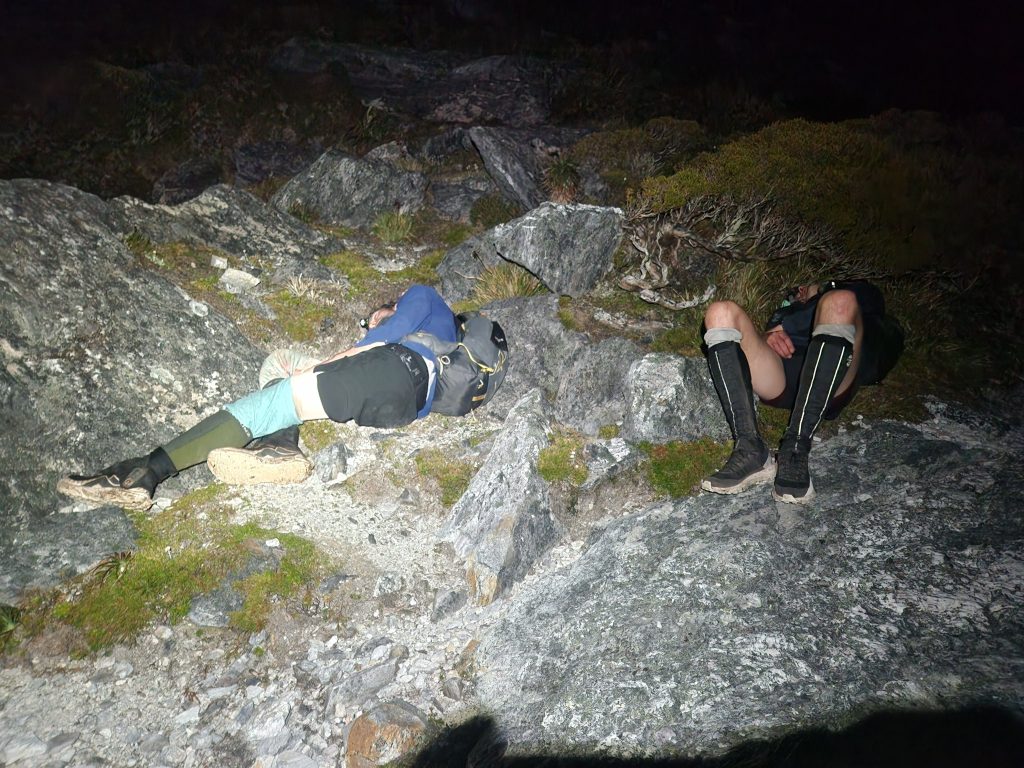
We had support from a logistics team, but still had to be fully self-sufficient for stretches of 30 to 35 hours at a time. We set up three supply stops along the way, and only two locations allowed us to rest properly overnight. Once I make up my mind to do something, I never think about quitting. I never ask myself whether I should give up, but only how to reach the finish line on schedule.
Midway through the challenge, I suffered severe knee pain. I considered slowing down, setting up camp and taking two or three extra days to finish, to avoid total exhaustion from sleep deprivation. Still, I held fast to my goal: I would reach the end, no matter what.
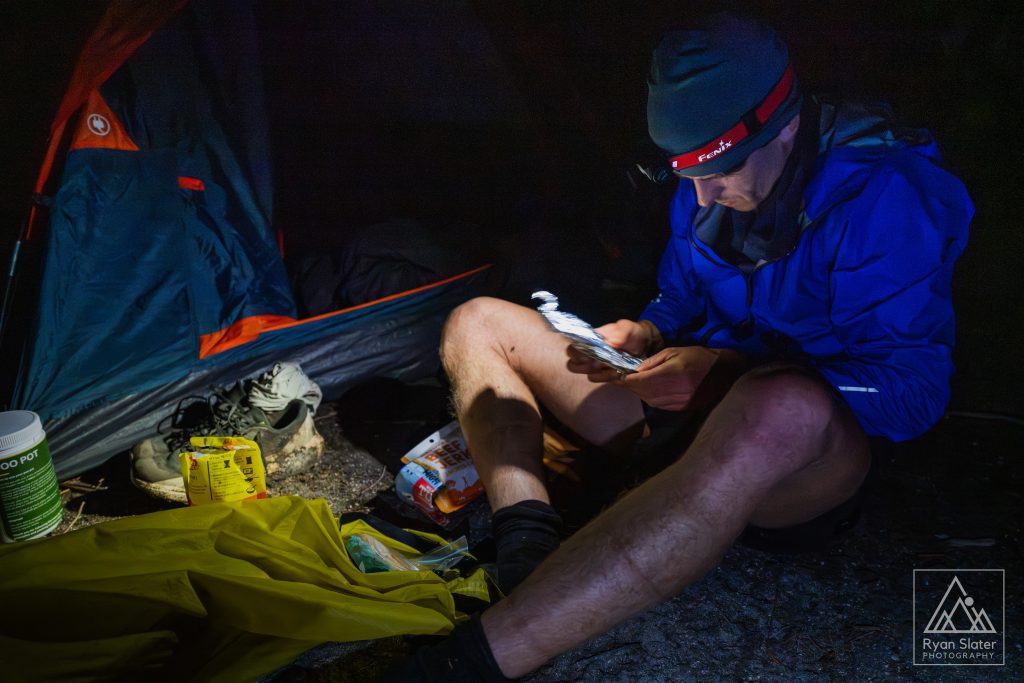
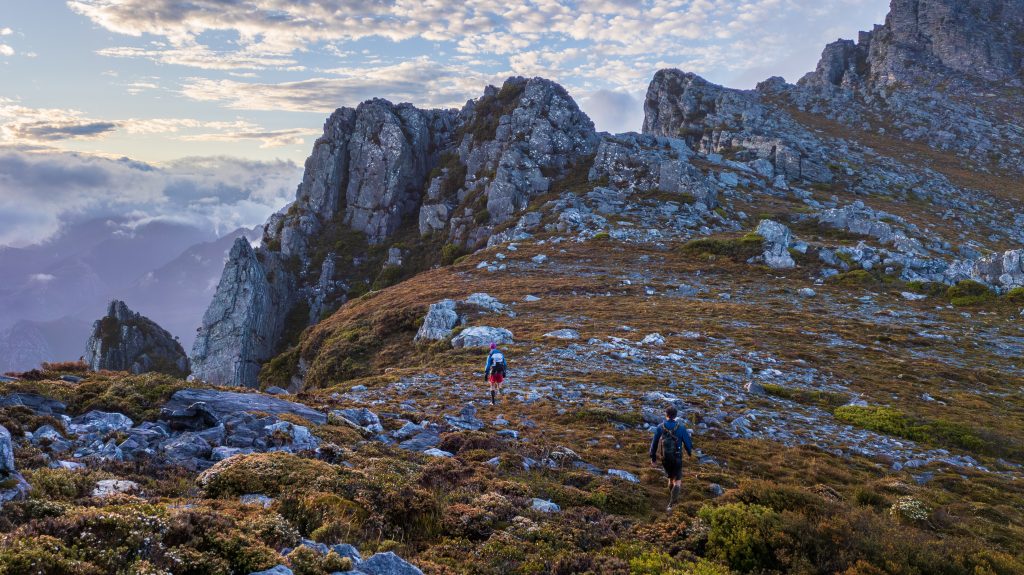
In the end, I completed the 240-kilometre non-stop traverse in 3 days and 18 hours, setting the first official FKT for this route. Breaking the record was never my main goal. What I cherished most was exploring this breathtaking wilderness together with my friends. Since no one had ever attempted a non-stop fast traverse here before, we were bound to make history. There was no previous record to chase, so we simply did our best.
Without any prior experience to draw on, we had to work out every detail from scratch. Ultimately, this is why I love the sport so much. Wandering through magnificent wilderness with friends, embracing the unknown, savouring adventure, and showing reverence for nature. This pure joy means far more to me than any record.
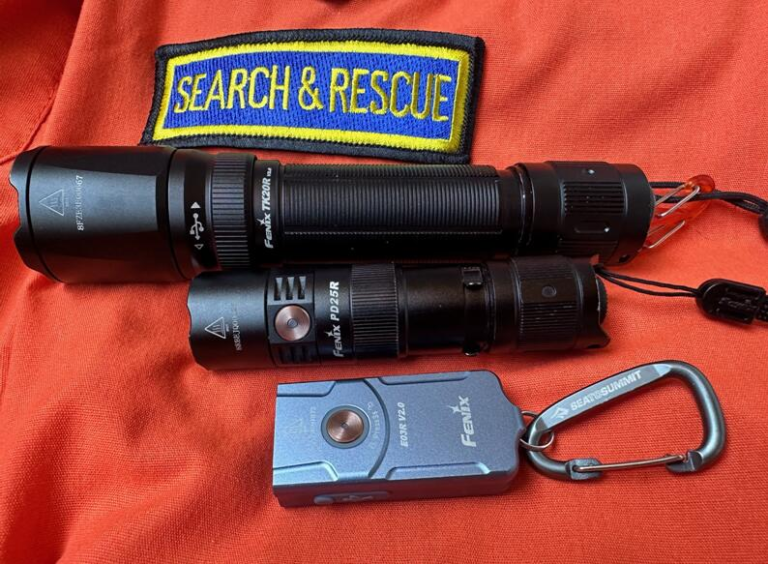
Nearly Two Decades of Choice: A Reliable Light for Every Outdoor Mission
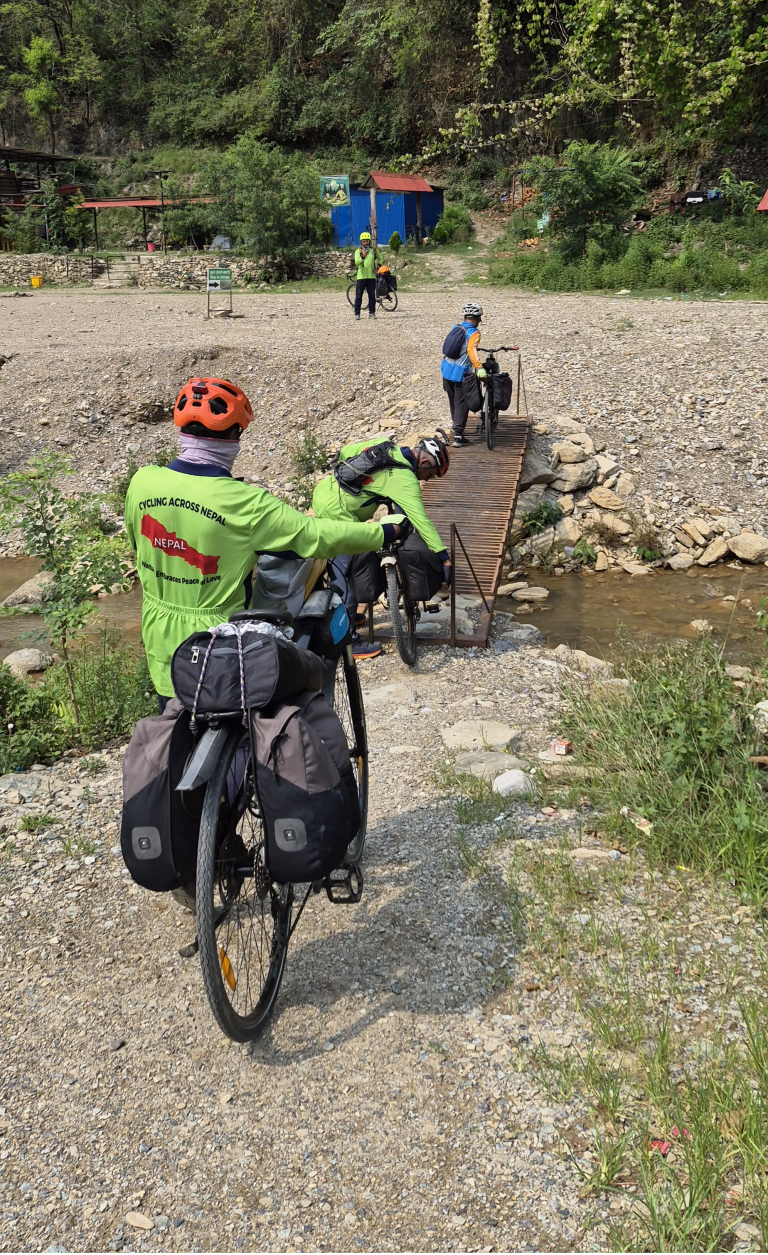
Light Lights the Long Trail, Sincerity Awaits Every Rider: A Cross-Border After-Sales Service Earns My Lifelong Trust in Fenix
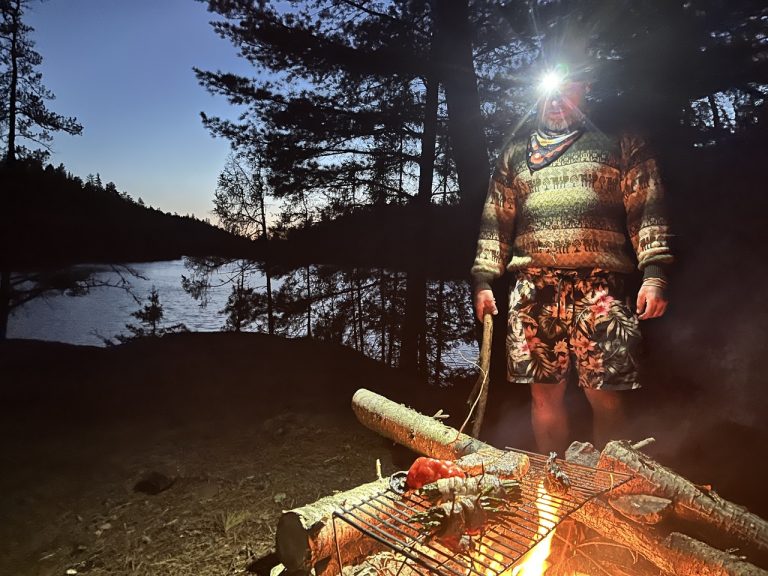
636 Nautical Miles Away: A Fenix Journey Offshore

Circling Day and Night, Encounter the Northern Lights
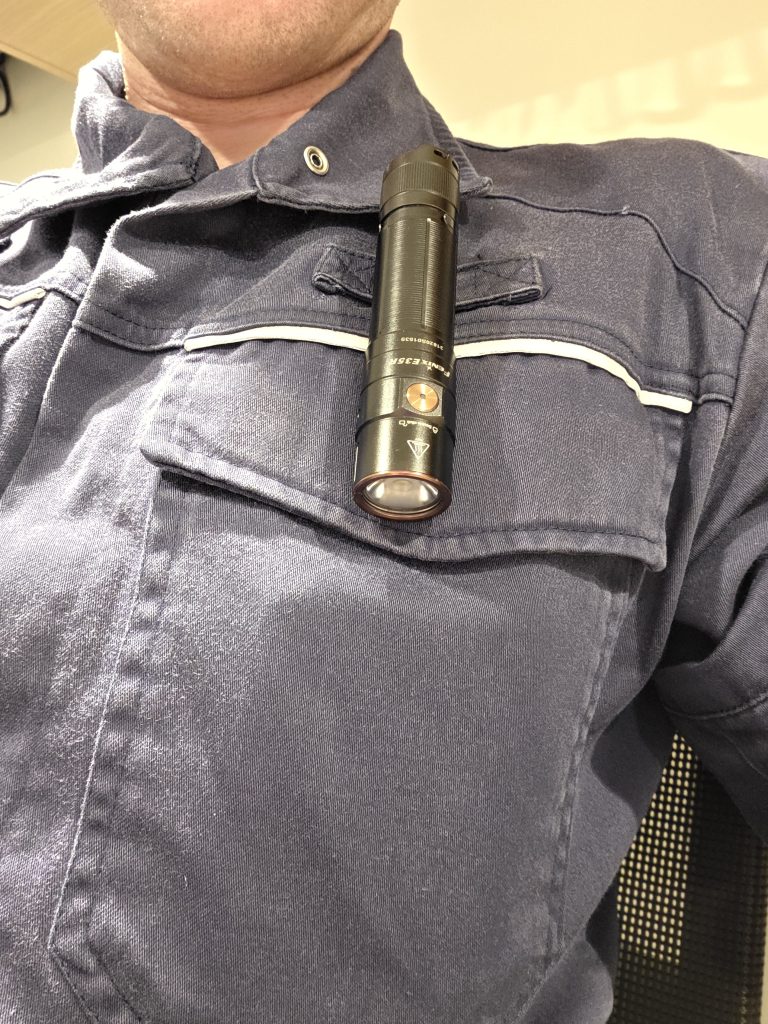
The Spotlight of the Engine Room: How One Fenix Conquered an Ocean Liner
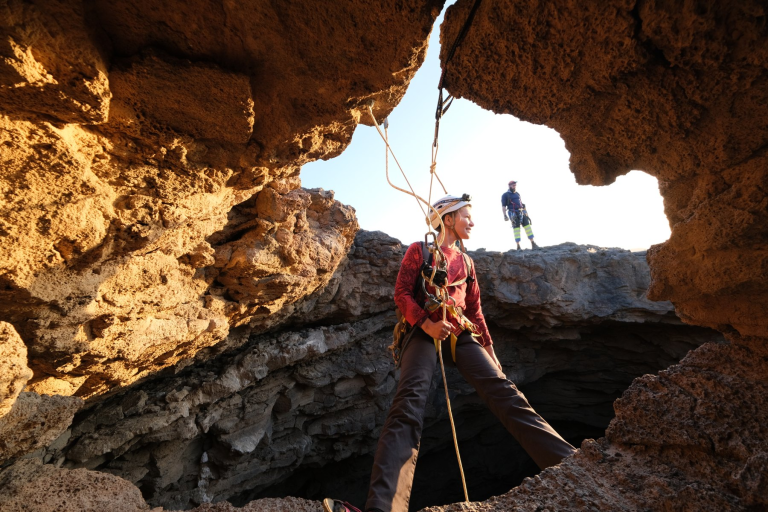
Into the Lava Caves of Saudi Arabia: A Light into the Unknown