







LIGHT UP YOUR LIMITS
09 Oct, 2026
Nearly Two Decades of Choice: A Reliable Light for Every Outdoor Mission
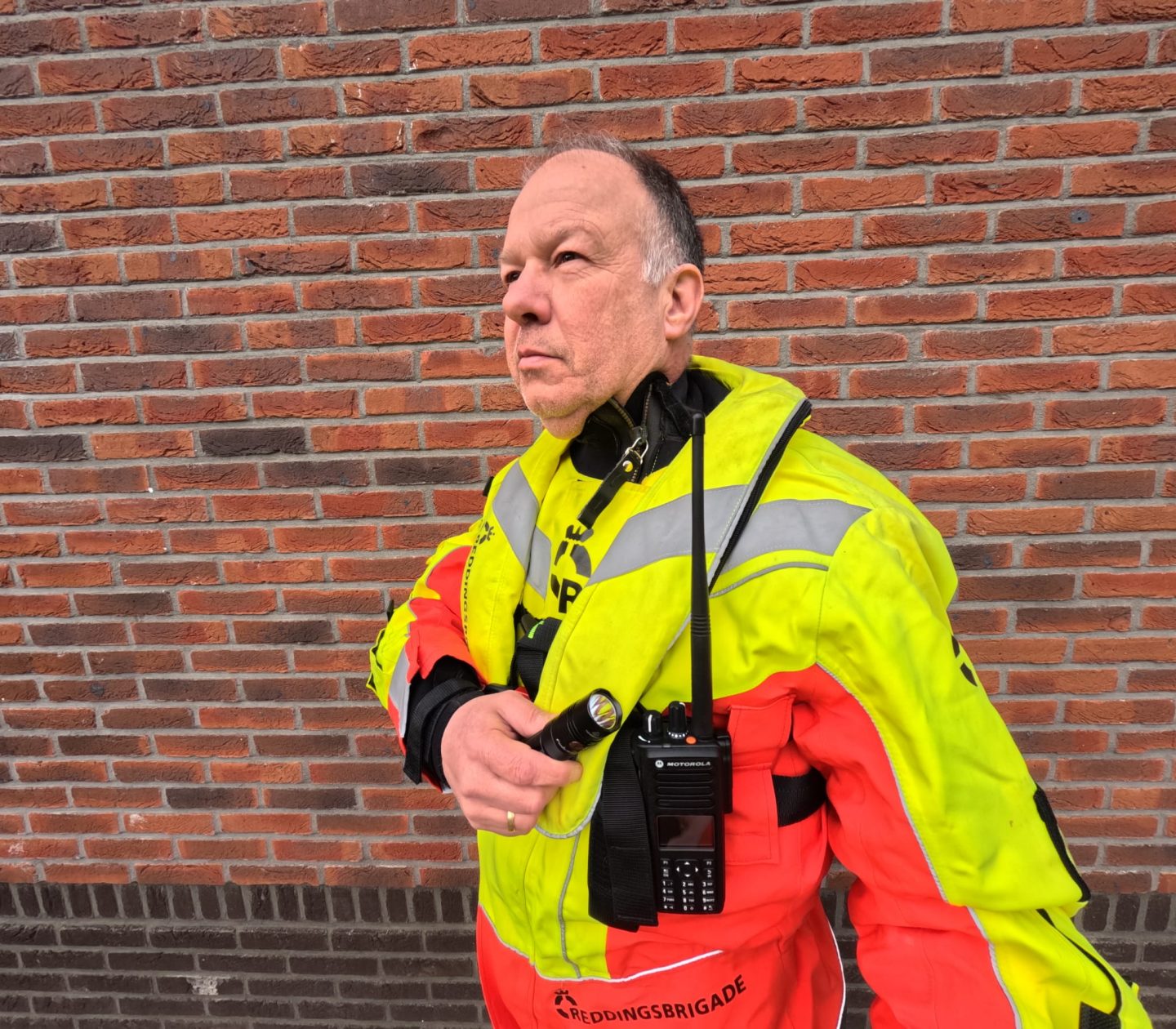
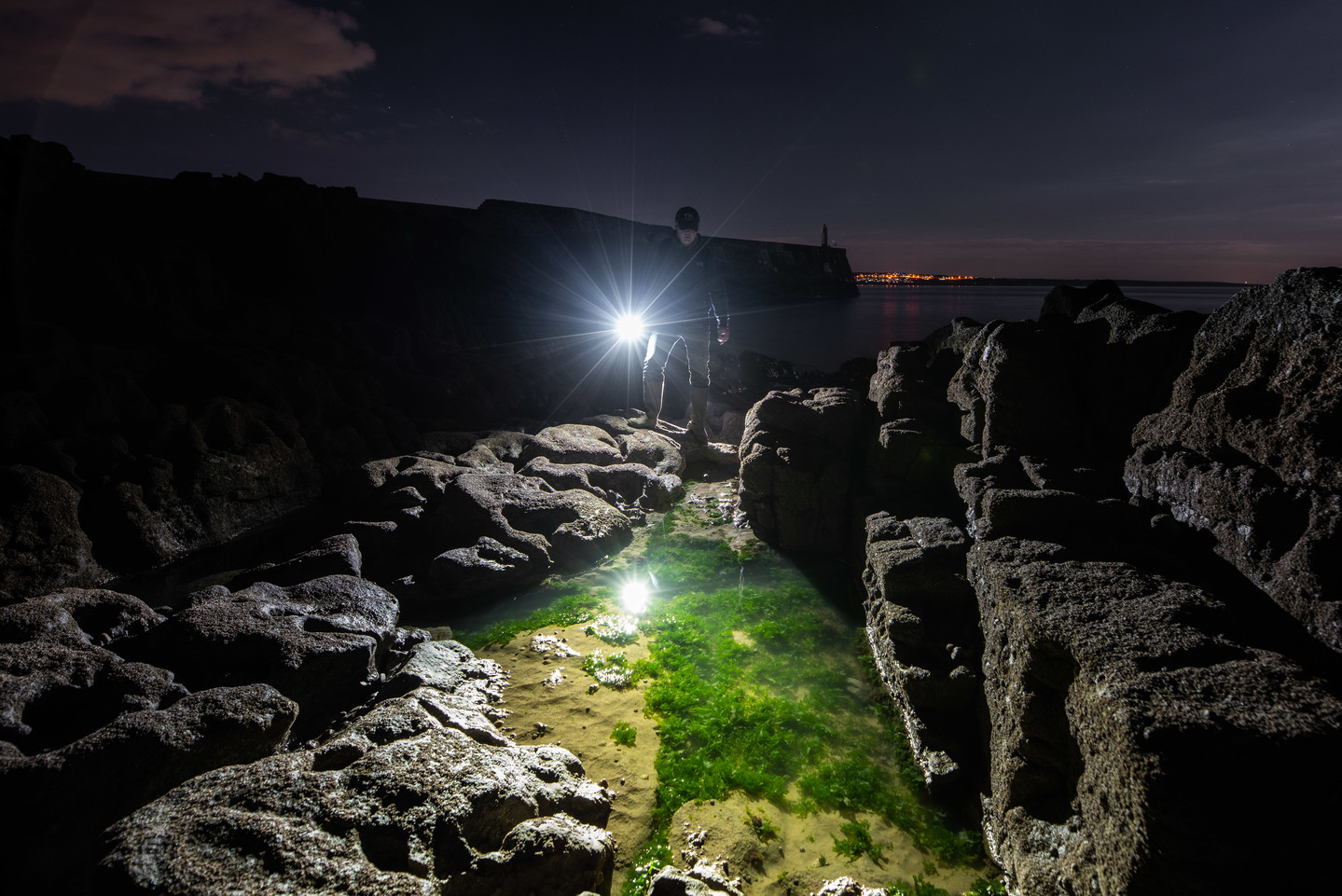
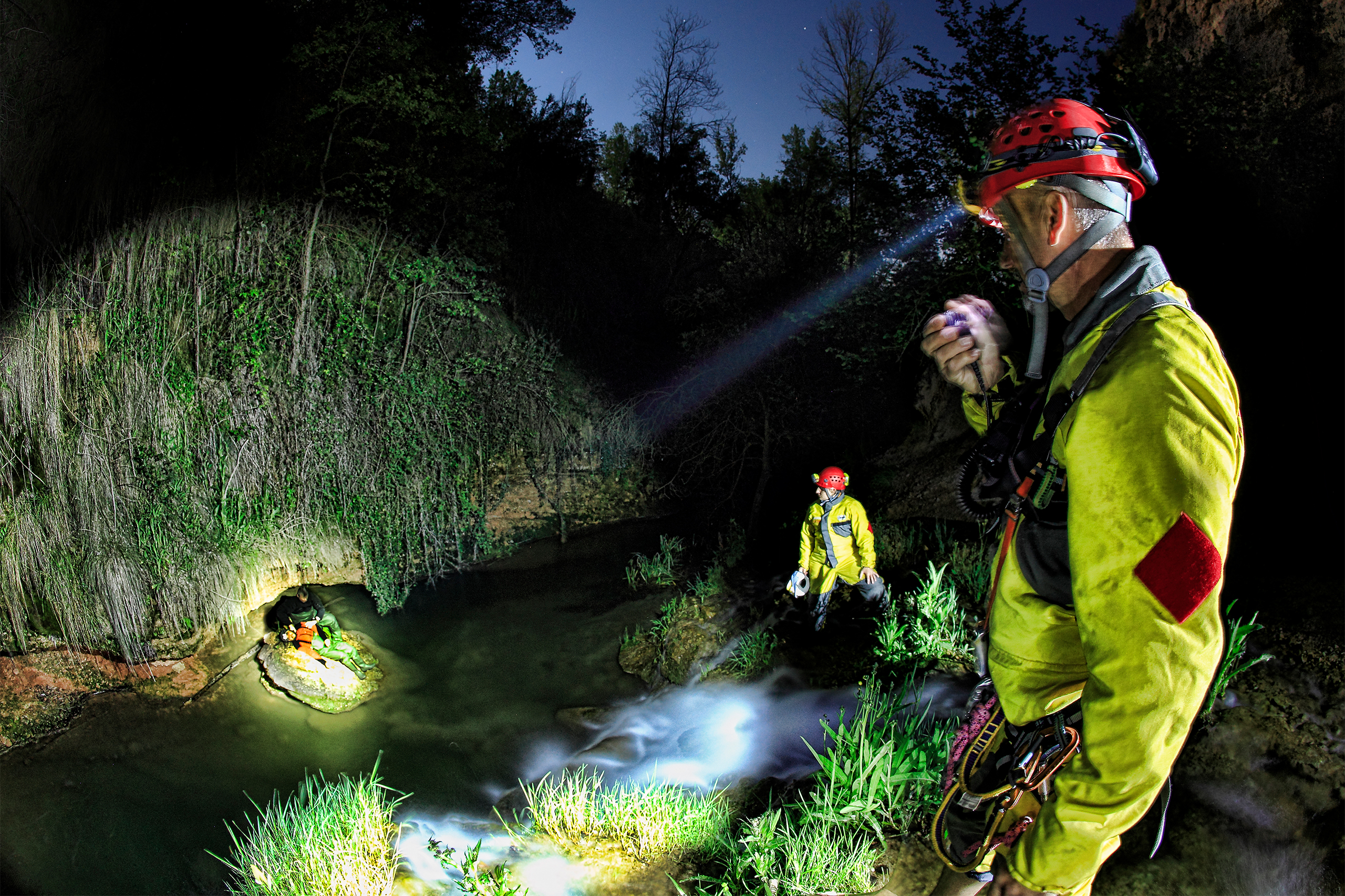
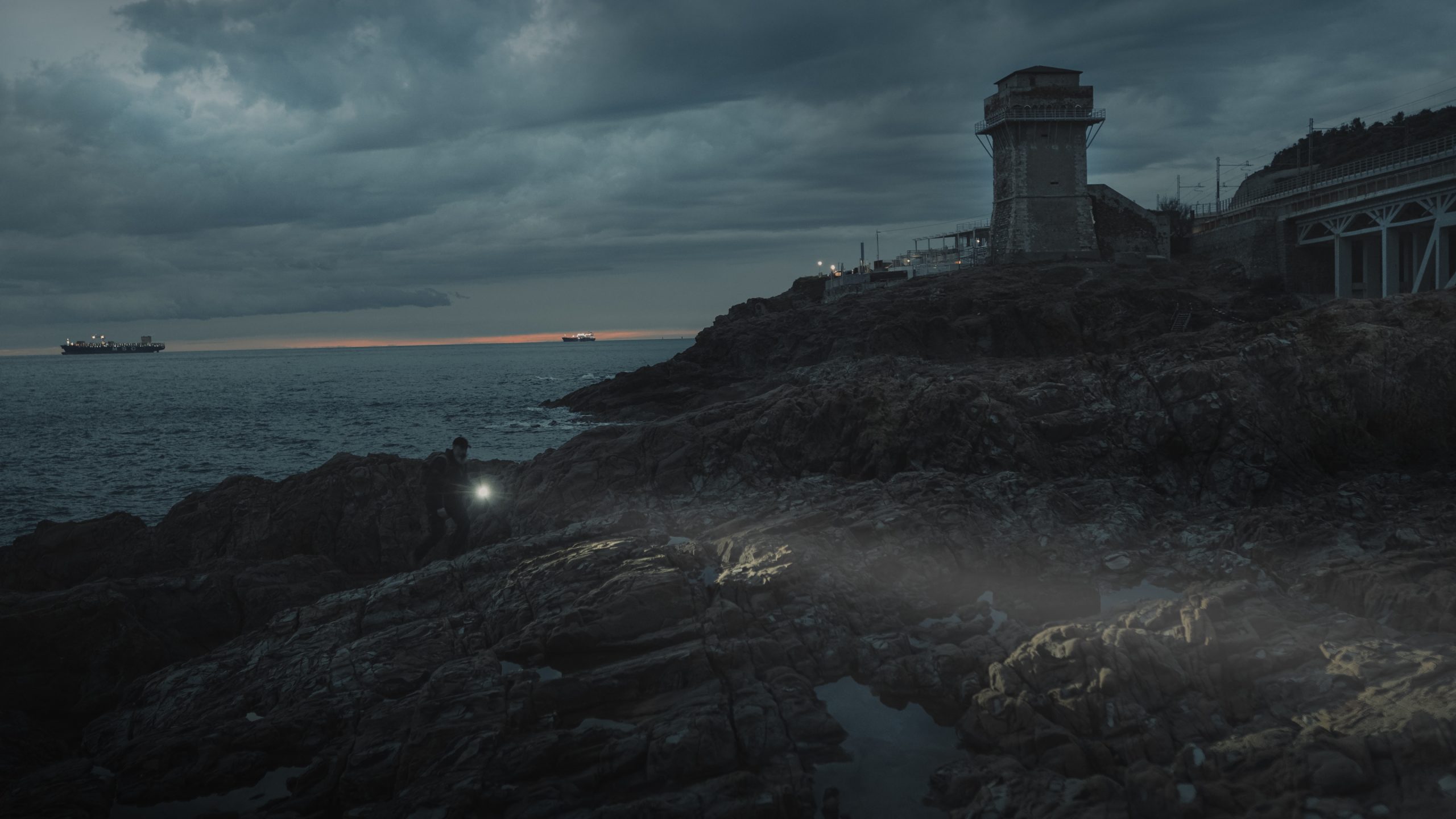
When leisure comes, people flock to the coast to enjoy fun on the water, soaking in the ease and joy of time by the waves. Yet there is always a group of people standing quietly in the shadow of the wind and surf, ready to rush into danger at a moment’s notice. For volunteer lifeguard René, this duty means navigating cold nights, thick fog and choppy waters, staying on the front line of water rescue, and holding out hope for those lost and in distress with every beam of light.
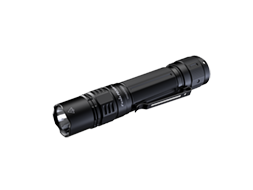
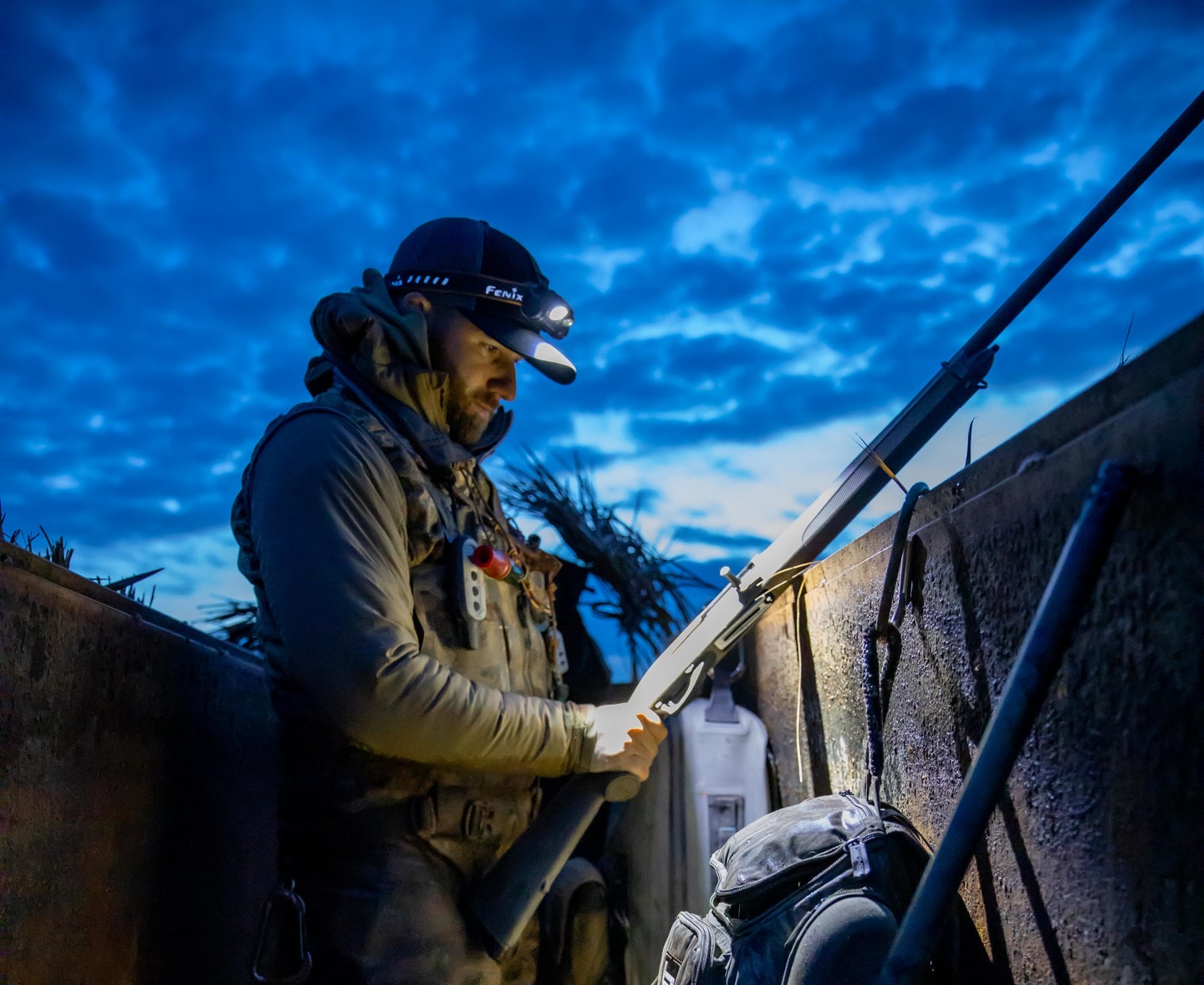
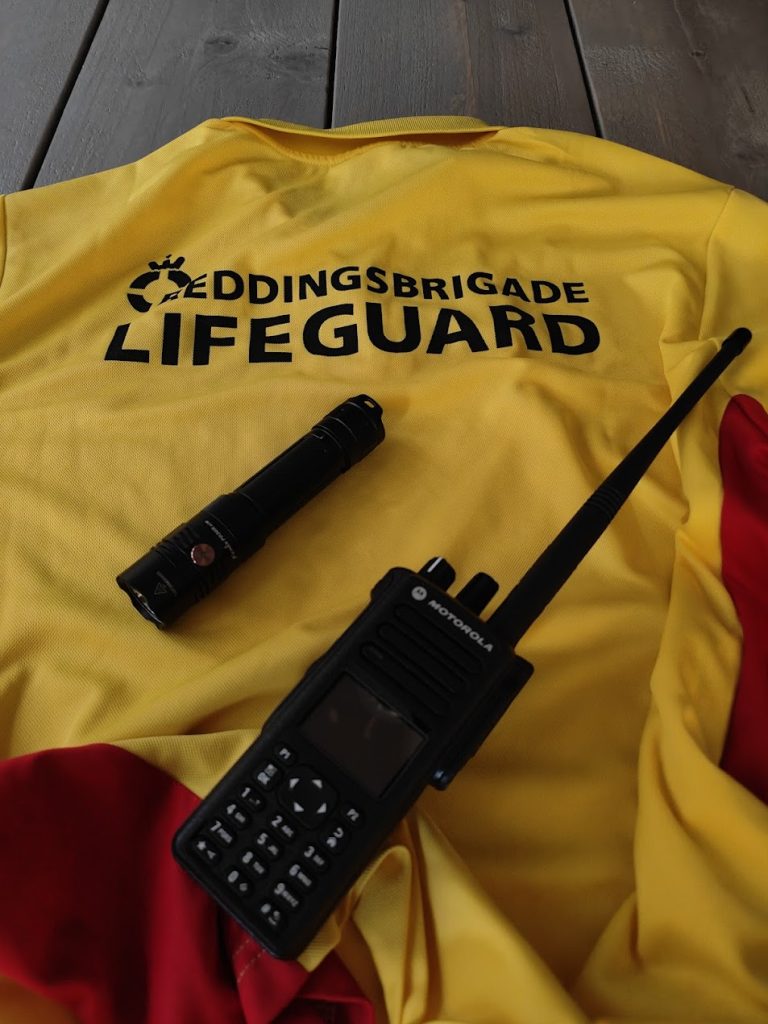
As a volunteer with the rescue brigade, my personal Fenix PD36R ACE is an essential part of my equipment, alongside my survival suit and radio.
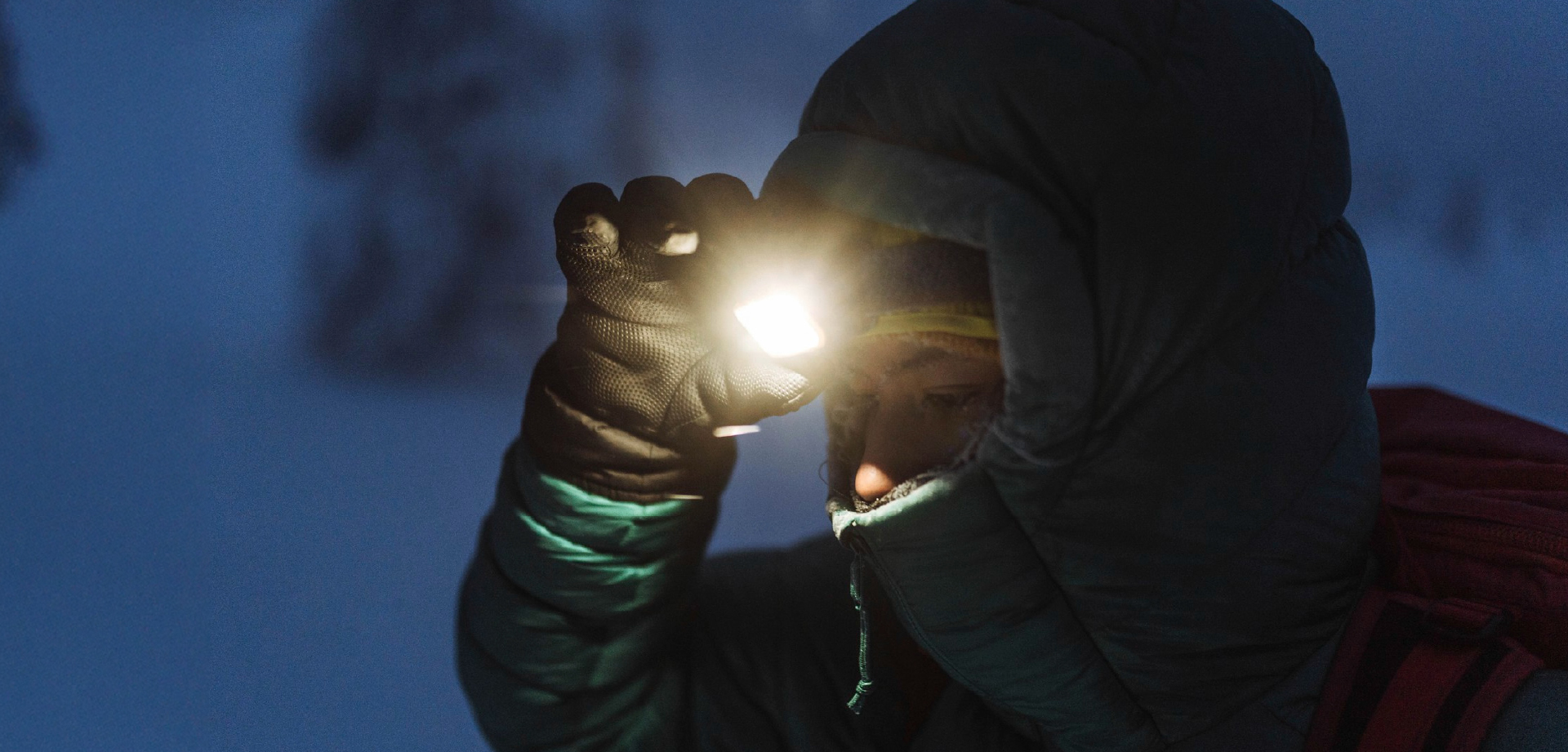
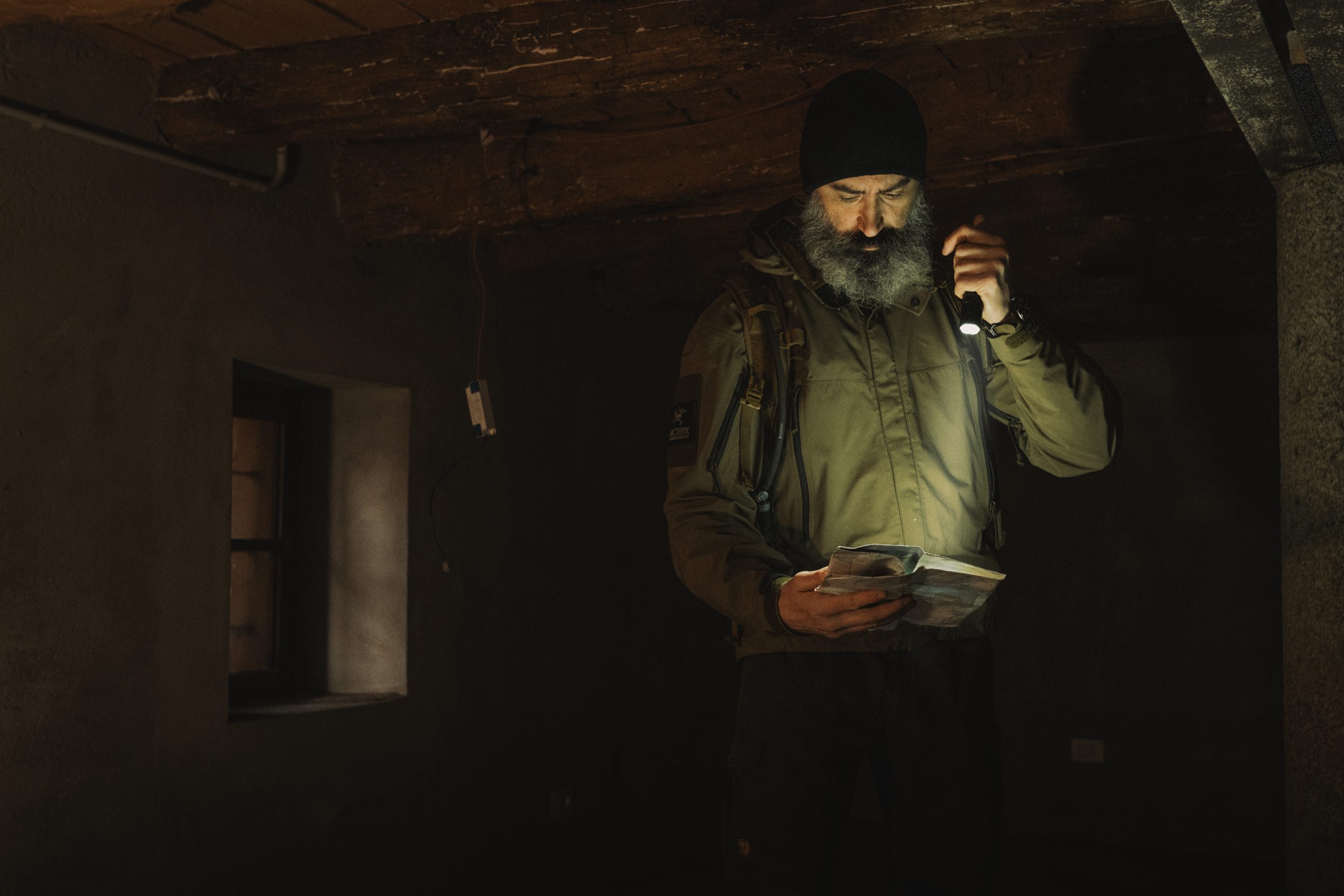
It’s not only perfect for searching in the dark, but thanks to the ability to select different light intensities, it is ideal for diverse operational needs. On board our rescue vessel, for instance, I use the lowest brightness setting to read navigation maps without ruining my night vision. When navigating through narrow channels or near the shoreline, a quick switch to a medium setting allows us to spot unlit buoys or debris in the water from a safe distance.
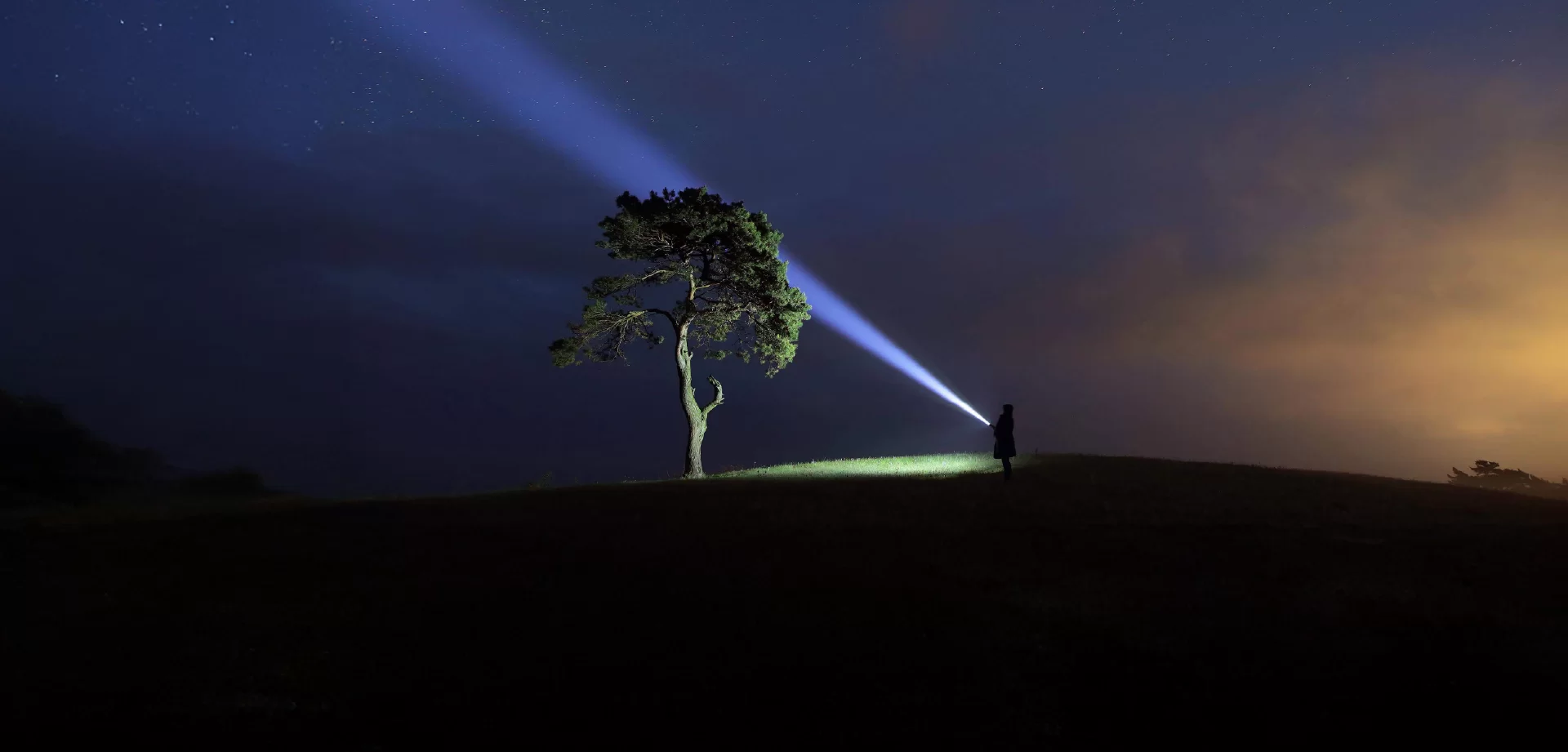
During intensive search operations for missing persons, the flashlight truly proves its worth. Whether we are scanning the choppy waters from the boat or searching along the dunes and rocky piers, the turbo mode provides a powerful, long-reaching beam that ensures no detail is overlooked. It allows us to cut through the sea spray and mist, illuminating distant objects that would otherwise remain hidden in the shadows.
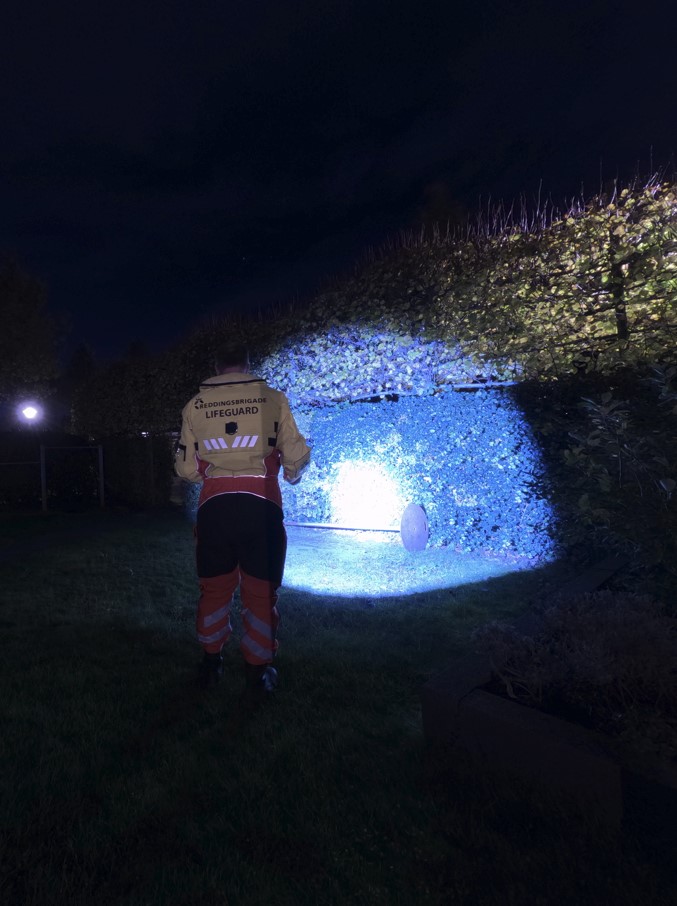
Additionally, the PD36R ACE serves as a vital communication tool. If we need to signal a colleague on a distant post or grab the attention of a vessel in distress, the tactical strobe and SOS functions are always at our disposal. In situations where radio silence is necessary or if a primary communication system fails, these light signals become our secondary lifeline. Thanks to the reliability and versatility of the Fenix PD36R ACE, I head out on every patrol with total confidence.
Last year, during a search operation for a missing water sports enthusiast, we were patrolling along the harbor quay, where the massive concrete walls towered three meters above the waterline. We used the boat's powerful searchlight to scan the dark surface of the water, while our handheld flashlights allowed us to inspect the quay wall more closely. We focused specifically on the emergency ladders positioned at regular intervals, hoping to find any sign of life.
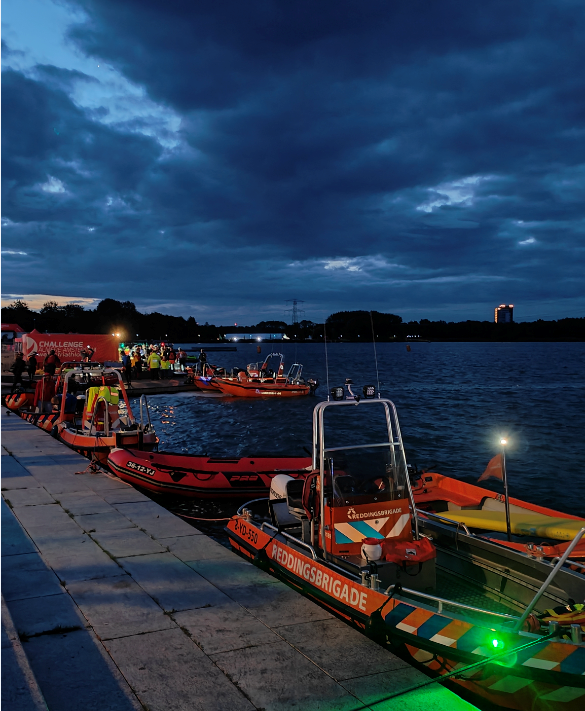
After some time, our lights finally caught something. There he was—clinging desperately to one of the ladders. He was shivering violently, his body numbed by the biting cold. Although he had managed to hold on, the hypothermia had set in so deeply that he no longer had the strength to climb to safety.
We quickly pulled him on board, providing the immediate warmth and care he needed. Once we returned to the harbor, he was finally able to be reunited with his family.
For a lifeguard, a steady beam of light is hope in desperate situations. Only solid, reliable performance can safeguard every rescue mission without fail.
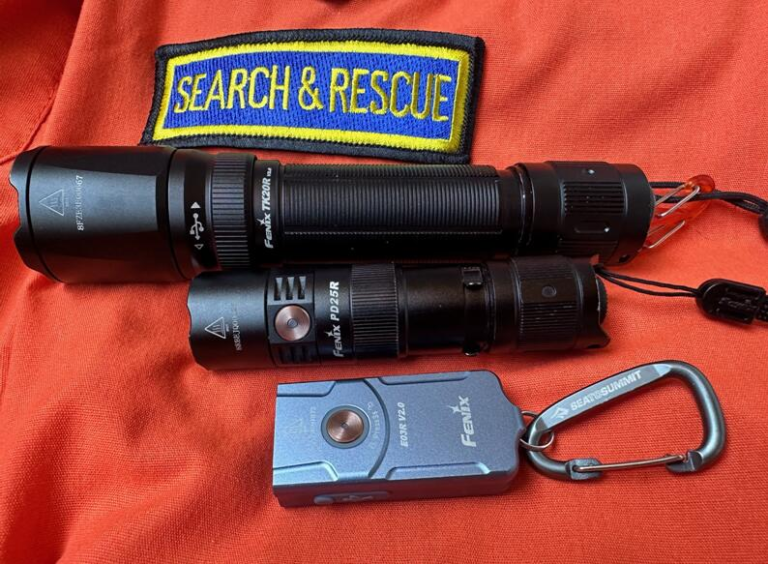
Nearly Two Decades of Choice: A Reliable Light for Every Outdoor Mission
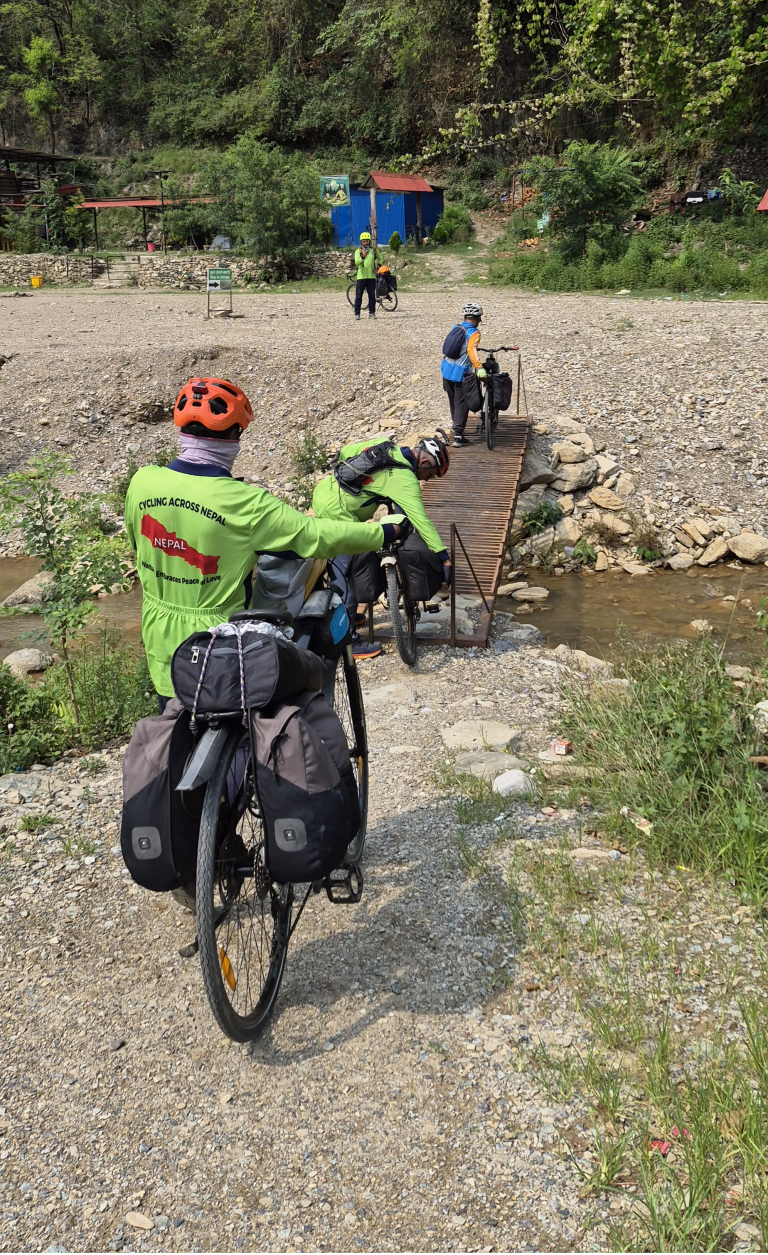
Light Lights the Long Trail, Sincerity Awaits Every Rider: A Cross-Border After-Sales Service Earns My Lifelong Trust in Fenix
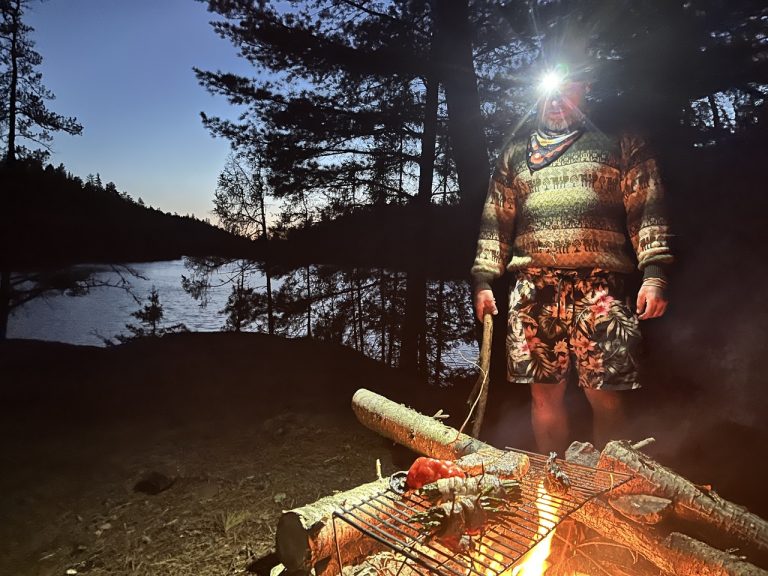
636 Nautical Miles Away: A Fenix Journey Offshore

Circling Day and Night, Encounter the Northern Lights
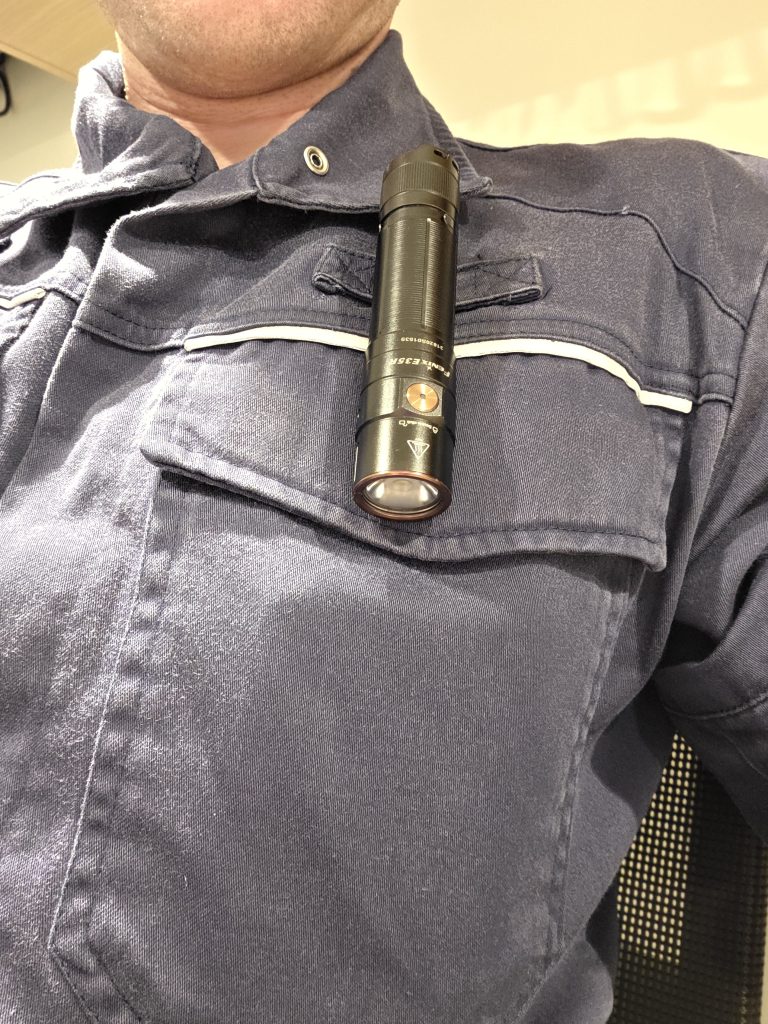
The Spotlight of the Engine Room: How One Fenix Conquered an Ocean Liner
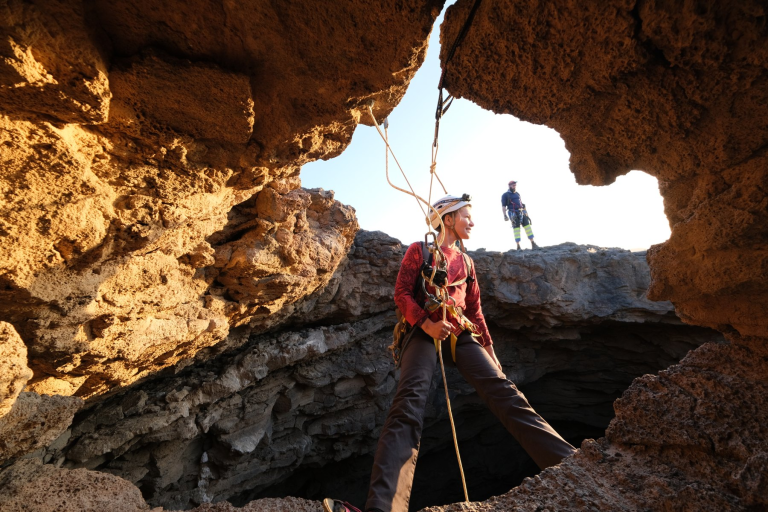
Into the Lava Caves of Saudi Arabia: A Light into the Unknown